Use of public highways
PUBLIC ROADS
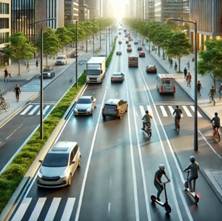 Roads are used by drivers, pedestrians and animals. All users have rights, obligations, and prohibitions. And they all need to follow these rules:
Do not bother other users: You have to obey the rules and be respectful with the rest of users. Though your vehicle is yours, the road is not
Do not be surprising: You share the roads with more users so, you have to be sure not to endanger others when carrying out maneuvers
Warn others about your movements: By signaling with lights in order to inform the rest of users in advance. Indicating a maneuver doesn’t give you the right of carrying it out
Be understanding to others: Accepting their apollogies when they make mistakes
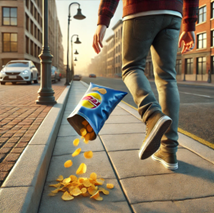 It’s forbidden to set fires or pollute public roads, wash vehicles or throw trash. You can’t obstruct traffic when parking or stopping
It is not allowed to modify the signalization in a way that may lead users to misunderstand it
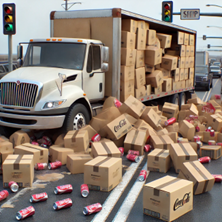 In case of falling loads, you must remove them as soon as possible while protecting the area
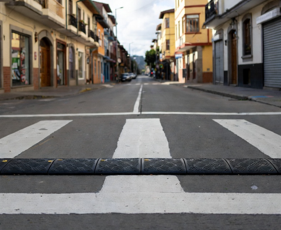
Speed bumps are not considered obstacles as they ensure the safety of users such as pedestrians and cyclists
OBLIGATIONS
You have to be in perfect conditions to control your vehicle or animals (alcohol, fatige…) Especially when you run into children, elderly or handicapped people
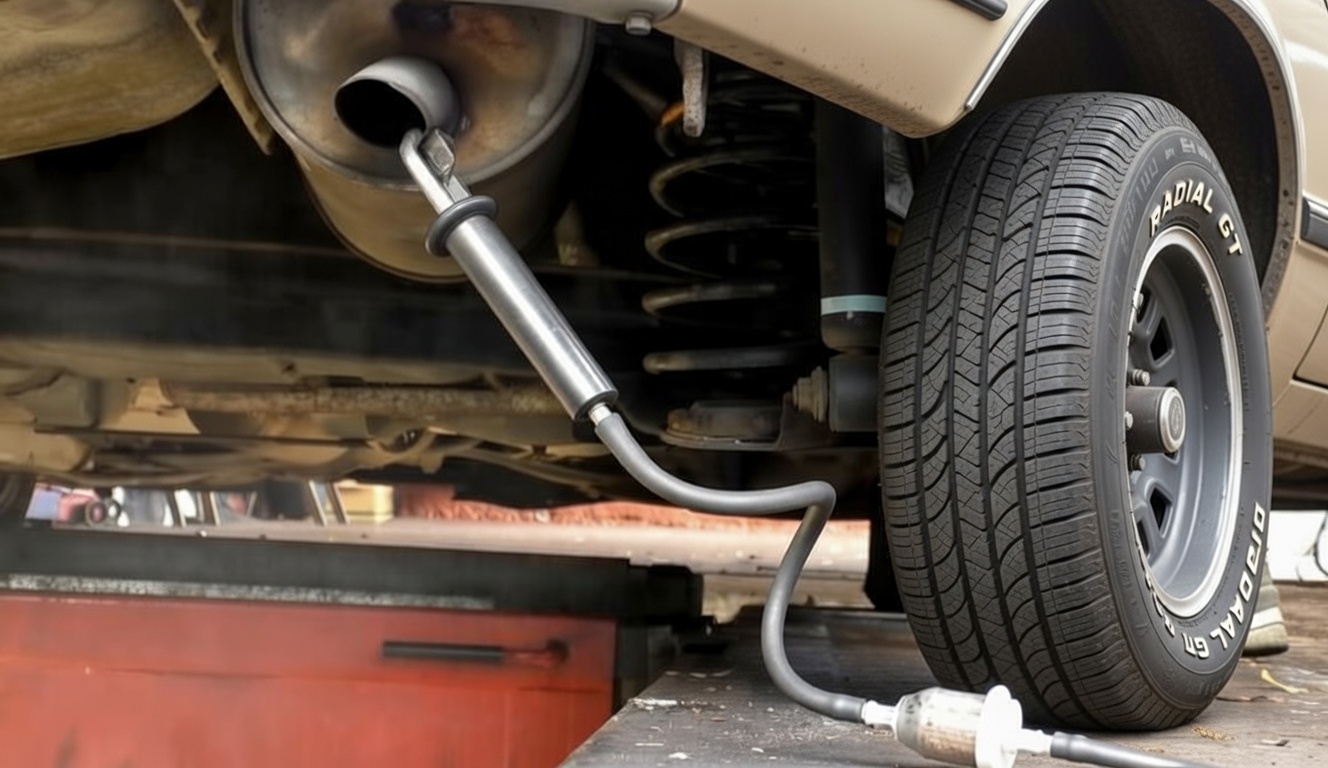
You have to collaborate with the authorities to check noise and pollutants of your vehicle
You have to drive carefully to avoid accidents and damages. Reckless driving is a crime
You need to have free movements and visibility when driving. People, animals and loads must be transported properly. You can’t watch movies nor surf the internet while driving. GPS devices are allowed without touching the screen
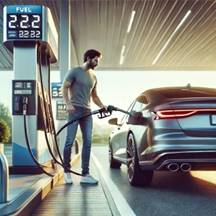
You have to switch off engine, lights, radio and mobile phone when filling up the tank at gas stations
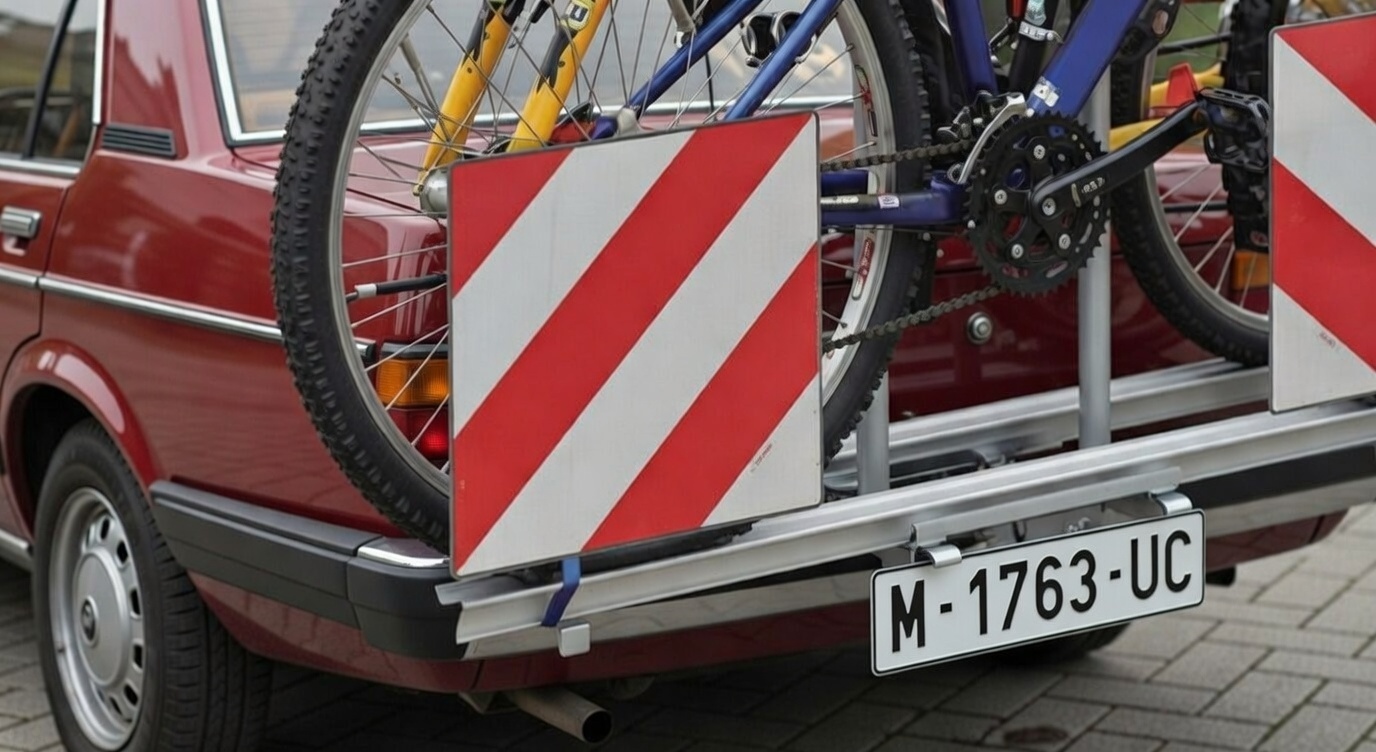
All registration plate numbers must be visible and legible. Drivers are responsible for this matter
PROHIBITIONS
You can’t wear earphones or bluetooth devices into your ears, except when learners are practicing and taking the driving exams for motorcycles
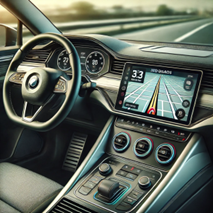
You can’t handle phones or GPS devices. It is also forbidden to carry the phone between your ear and helmet. Only hands-free kits are allowed when driving, including crash helmets with built-in speakers and bluetooth connection
You can’t install radar detectors or inhibiting devices
Owner: Person in charge of everything related to documentation and preventing people without licence from driving the vehicle on public roads. The owner has to identify the offender driver when, after an offence, the authorities can’t determine the identity
Usual driver: Person that usually drives the vehicle with the previous owner’s authorization
PARTS OF THE ROADS
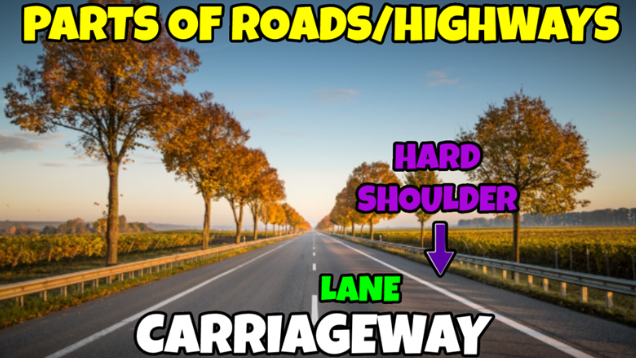 Roadway platform: Includes carriageway and shoulder
Carriageway: Part of the road for traffic in general
Lane: Division of the carriageway. In case of lack of road markings, there will be as many lanes as automobiles (no motorcycles) can go side by side
Shoulder: Forbidden to drive, except non-powered driven vehicles or emergency situations. There is no difference whether it has broken or straight line
Verge: Unpaved part of the road where side barriers and signposts are placed
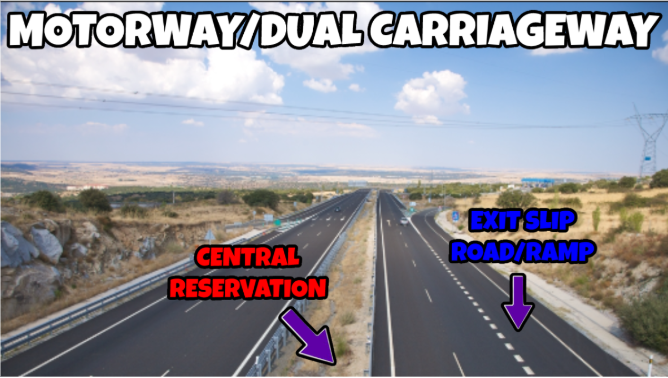
Central reservation: Part not for traffic to separate two carriageways. They are required for motorways and dual carriageways
Exit slip ramp: Join it at the beginning. It helps you slow down without hindering traffic on the main road
Ditch: Part close to the road to drain water
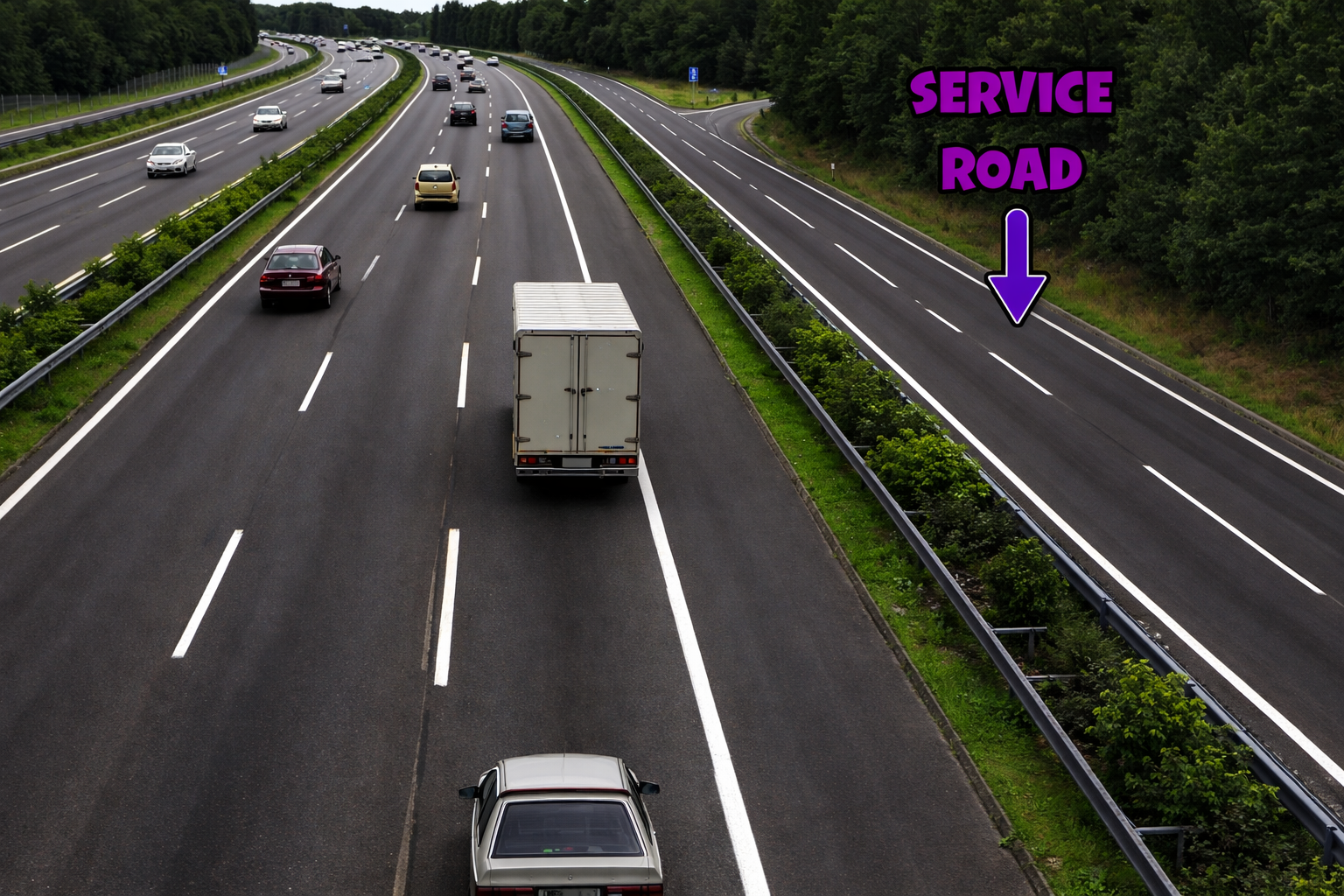
Service road: Access to join properties adjacent to the road
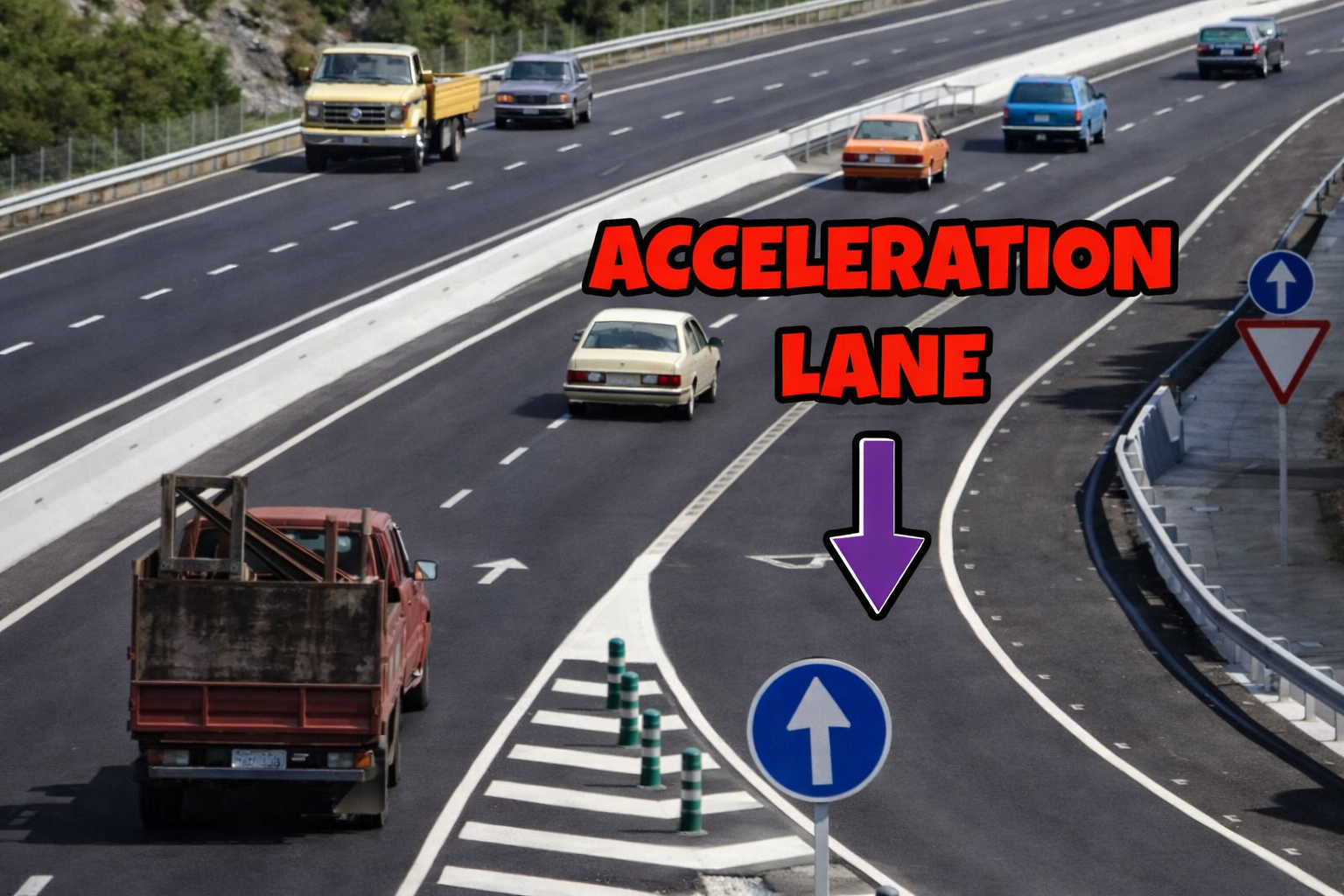
Acceleration lane: You need to adapt the speed at the end of it, according to the situation
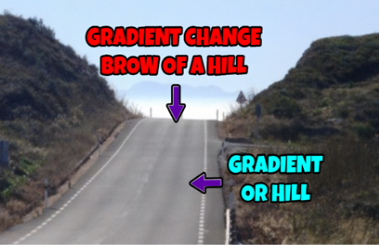
Gradient change/Brow of a hill/Crest: It is an inclination on the road. In the event of lack of visibility, you can’t invade the oncoming lane. This rule is also at bends/curves without visibility
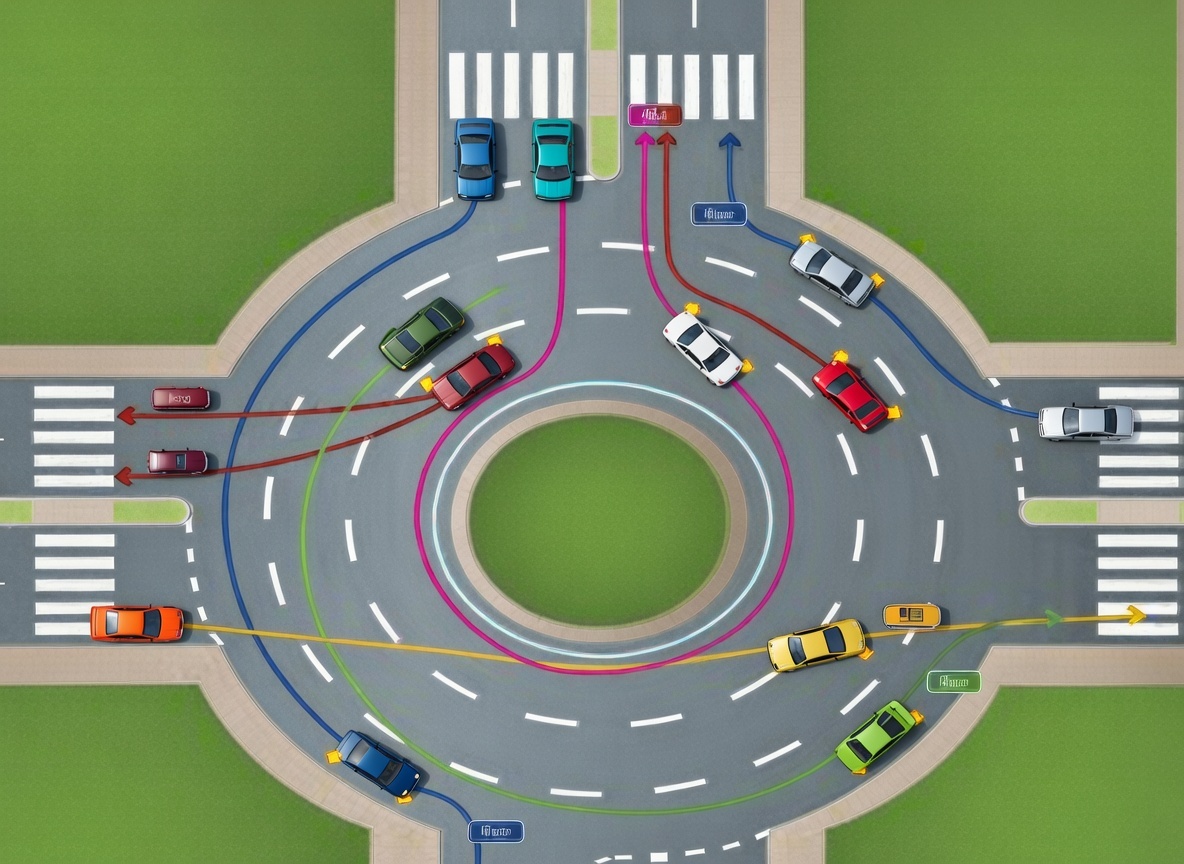
Roundabout: Drive around a central island. You have to leave them from the right lane
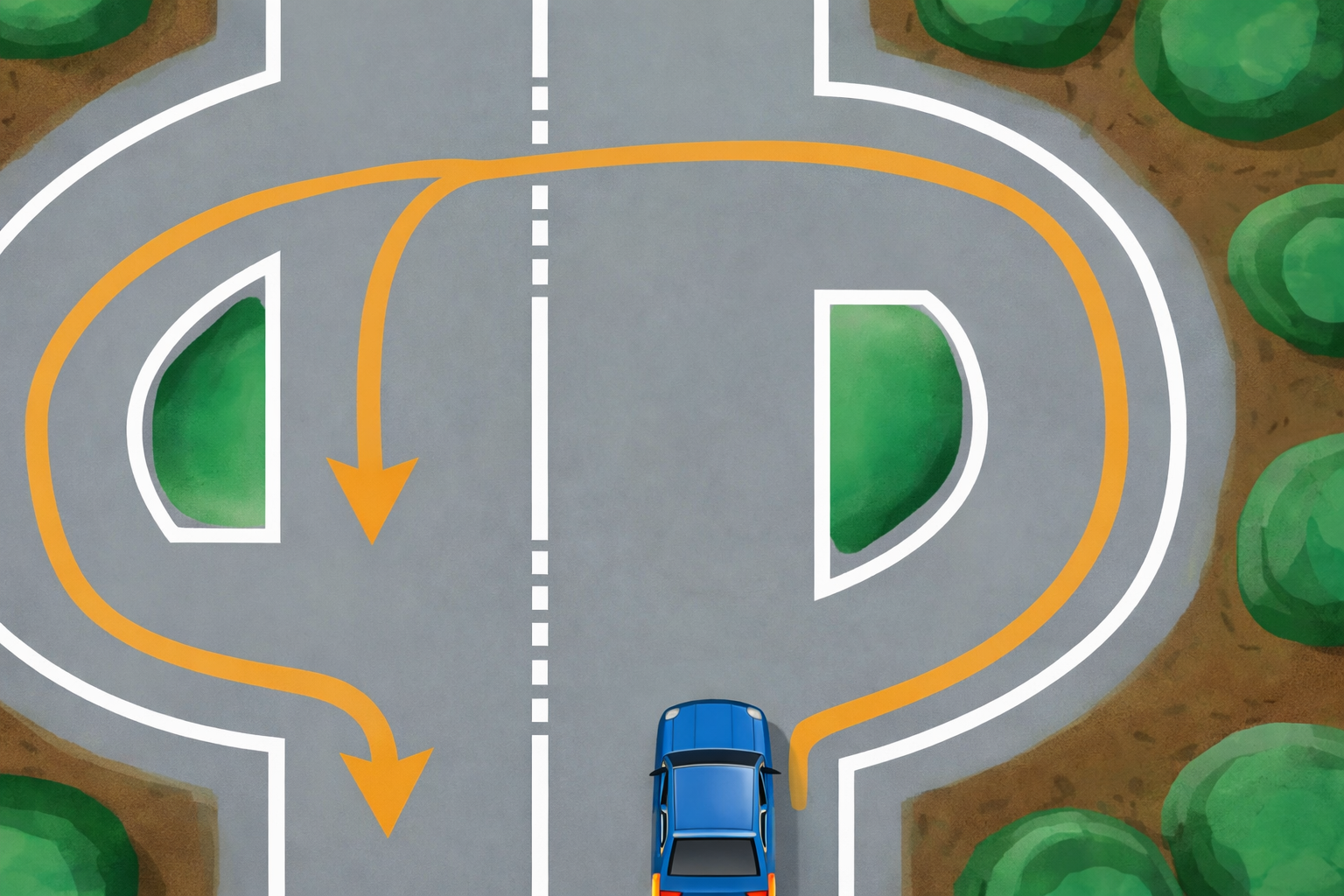
Split roundabout/Racket: Compulsory to join it when turning left. In the event of U-turns, either way is correct
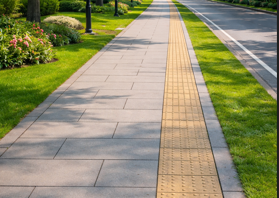
Pedestrian area: Part of the road delimited and reserved for pedestrians, including sidewalks and footpaths
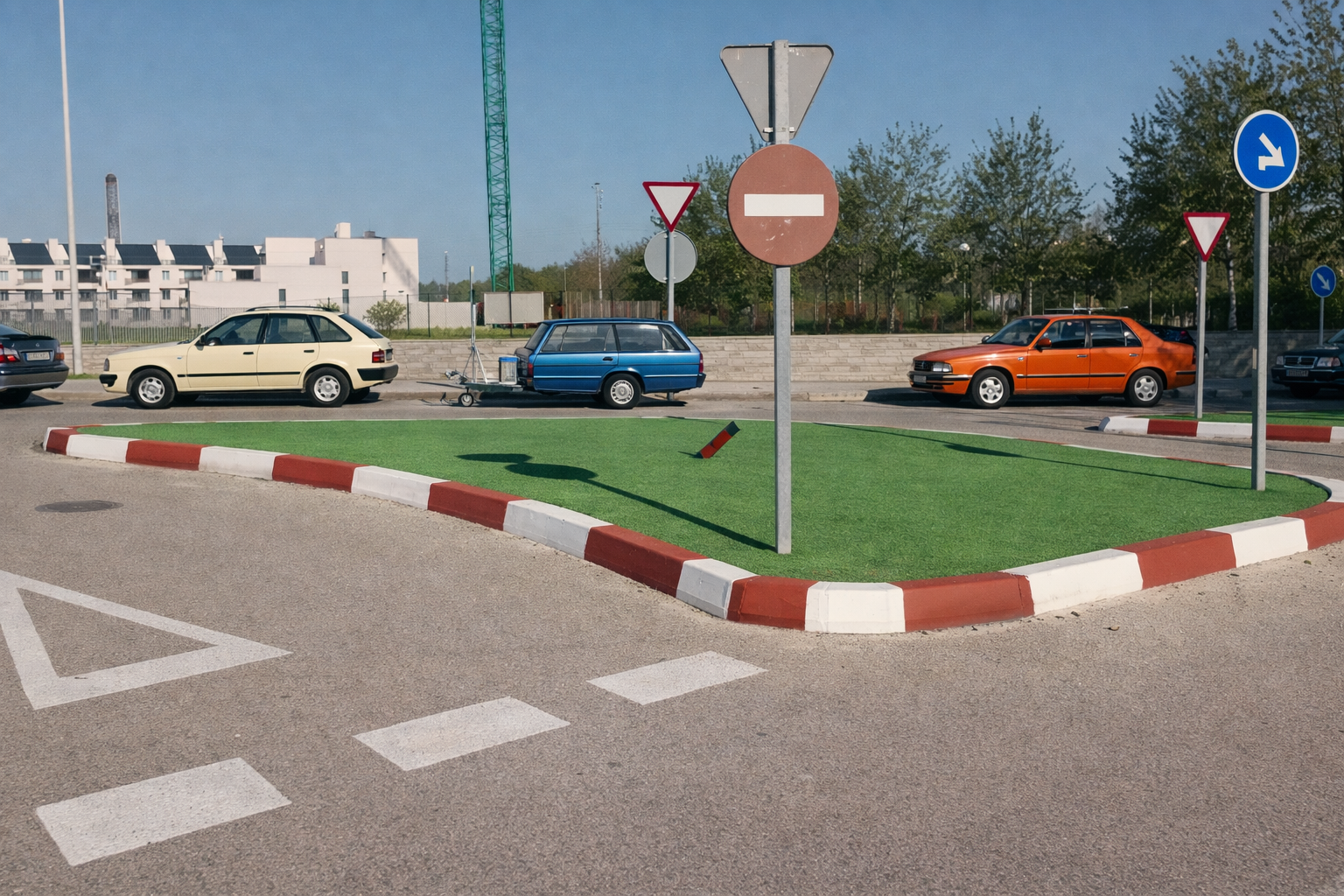
Traffic island: Area delimited in the carriageway to channelize traffic at junctions
Refuge: Pedestrian area placed in the carriageway and protected from the traffic
Types of highways(roads)
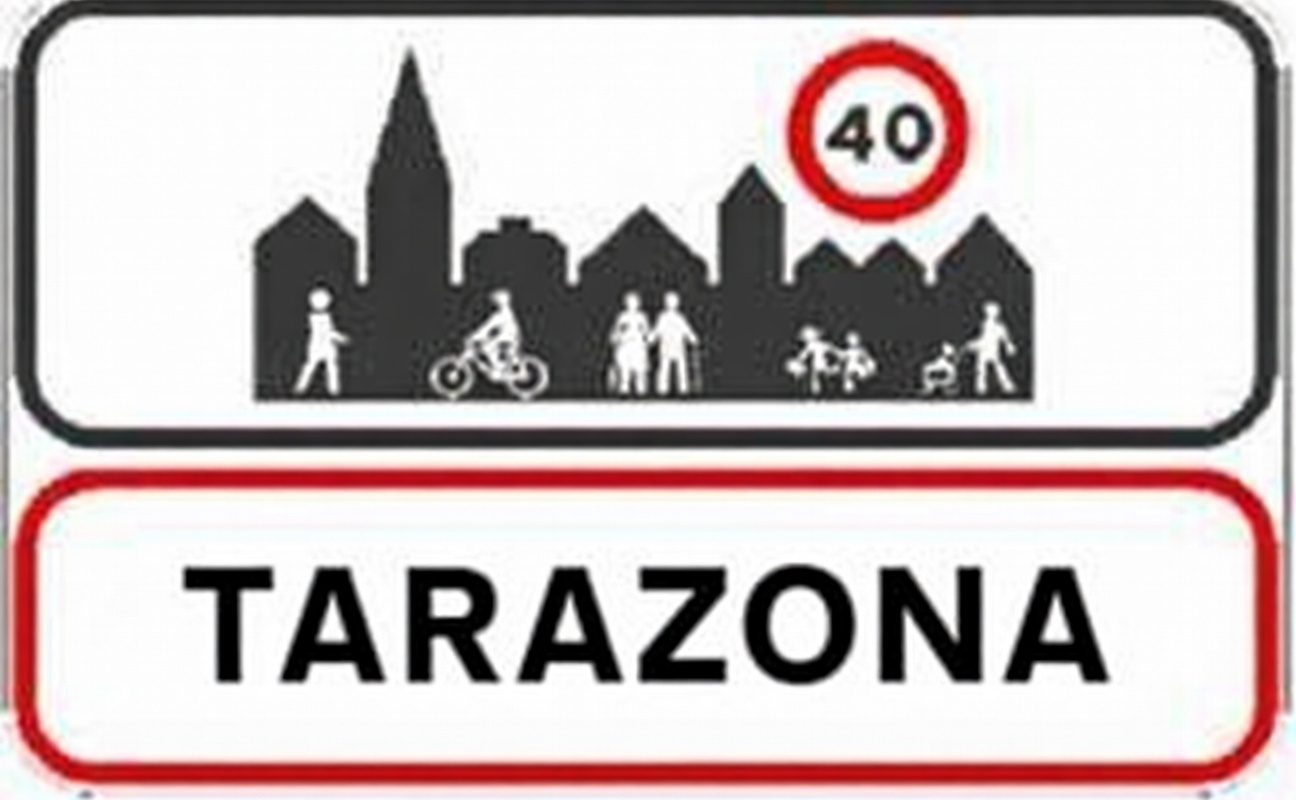
Urban road: Inside town, except through roads
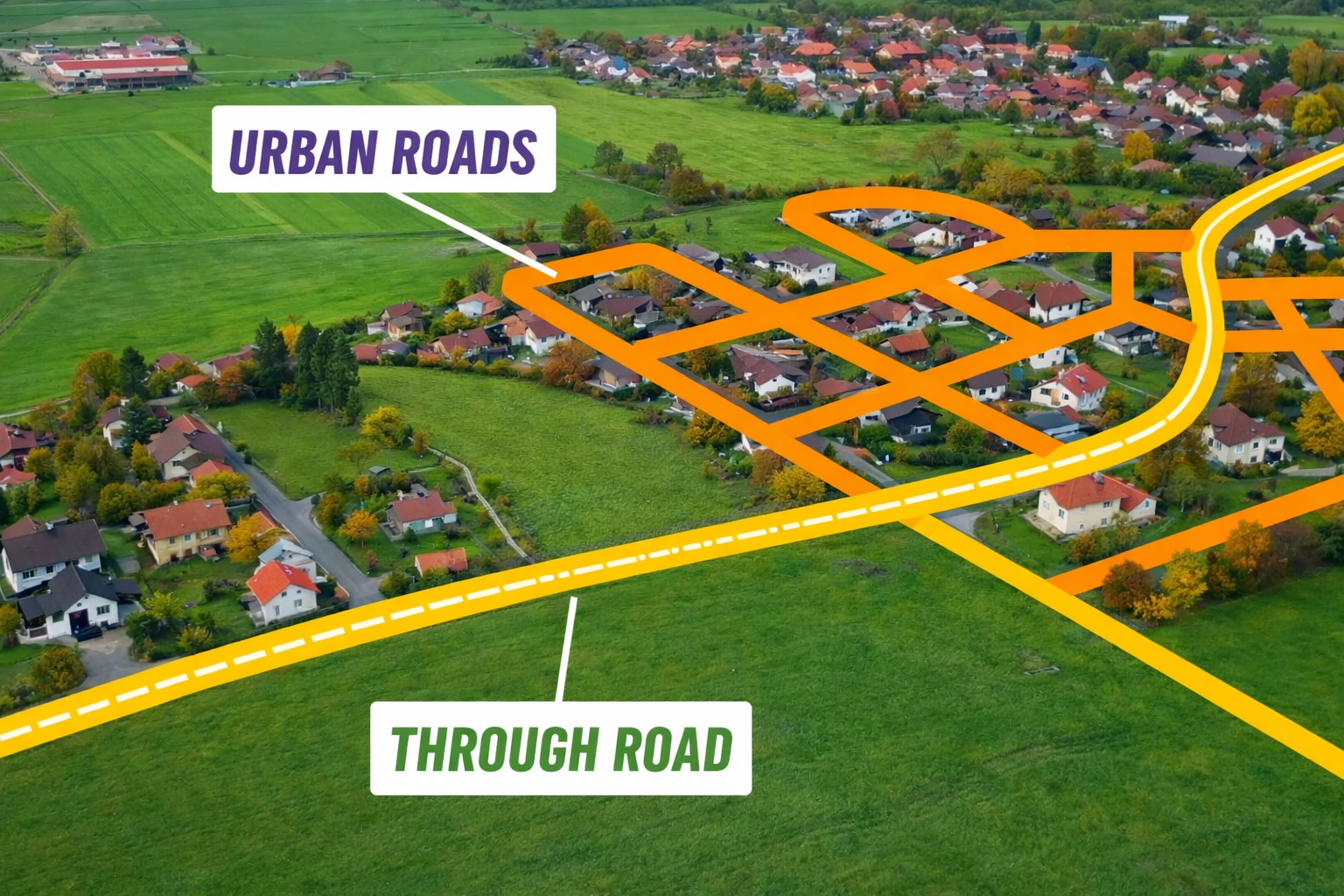
Through road: Stretch of a road crossing a town
Interurban/Inter-city road: Out of town
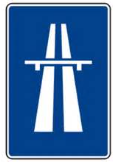 Motorway
Junctions at different levels. Two carriageways divided by a central reservation
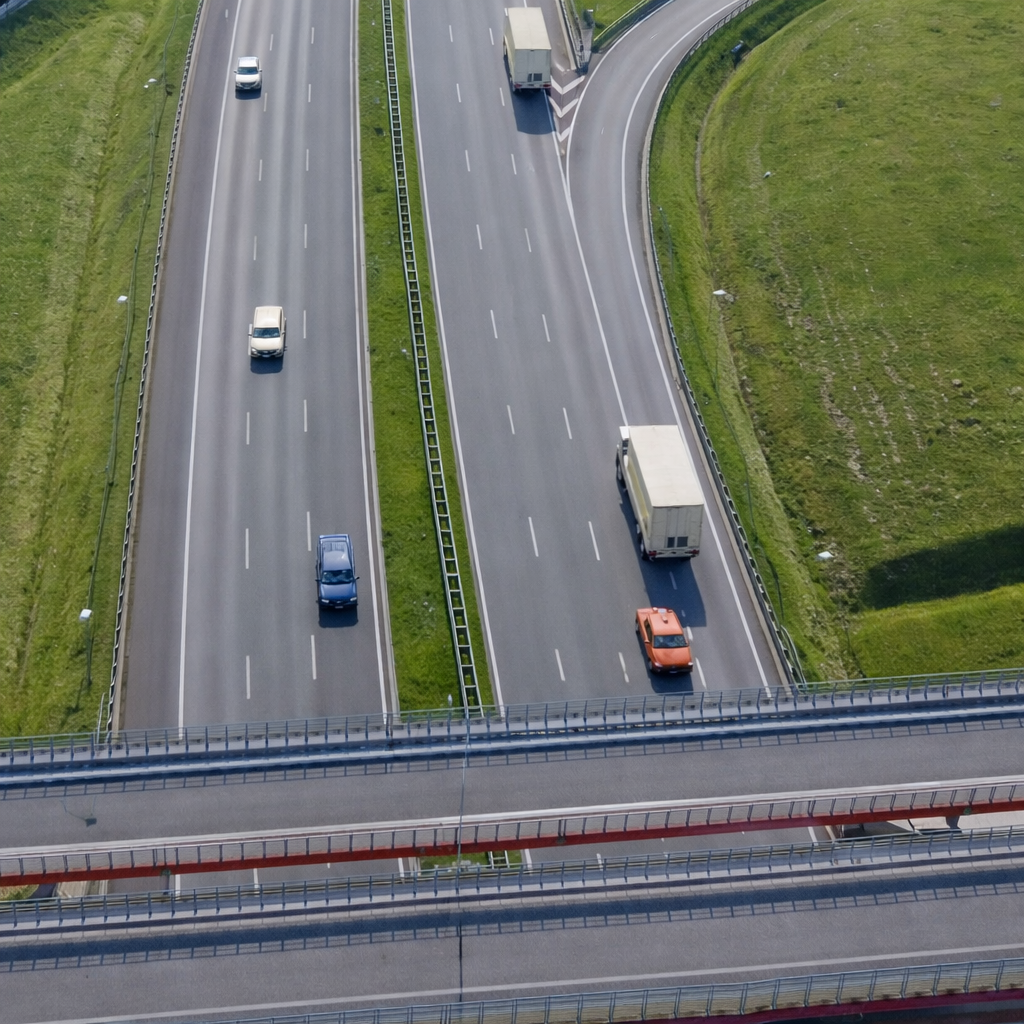
No access to properties, so it’s necessary a service road to access to properties adjacent to the main road
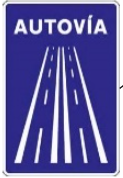
Dual carriageway
Junctions at different levels. Two carriageways divided by a central reservation
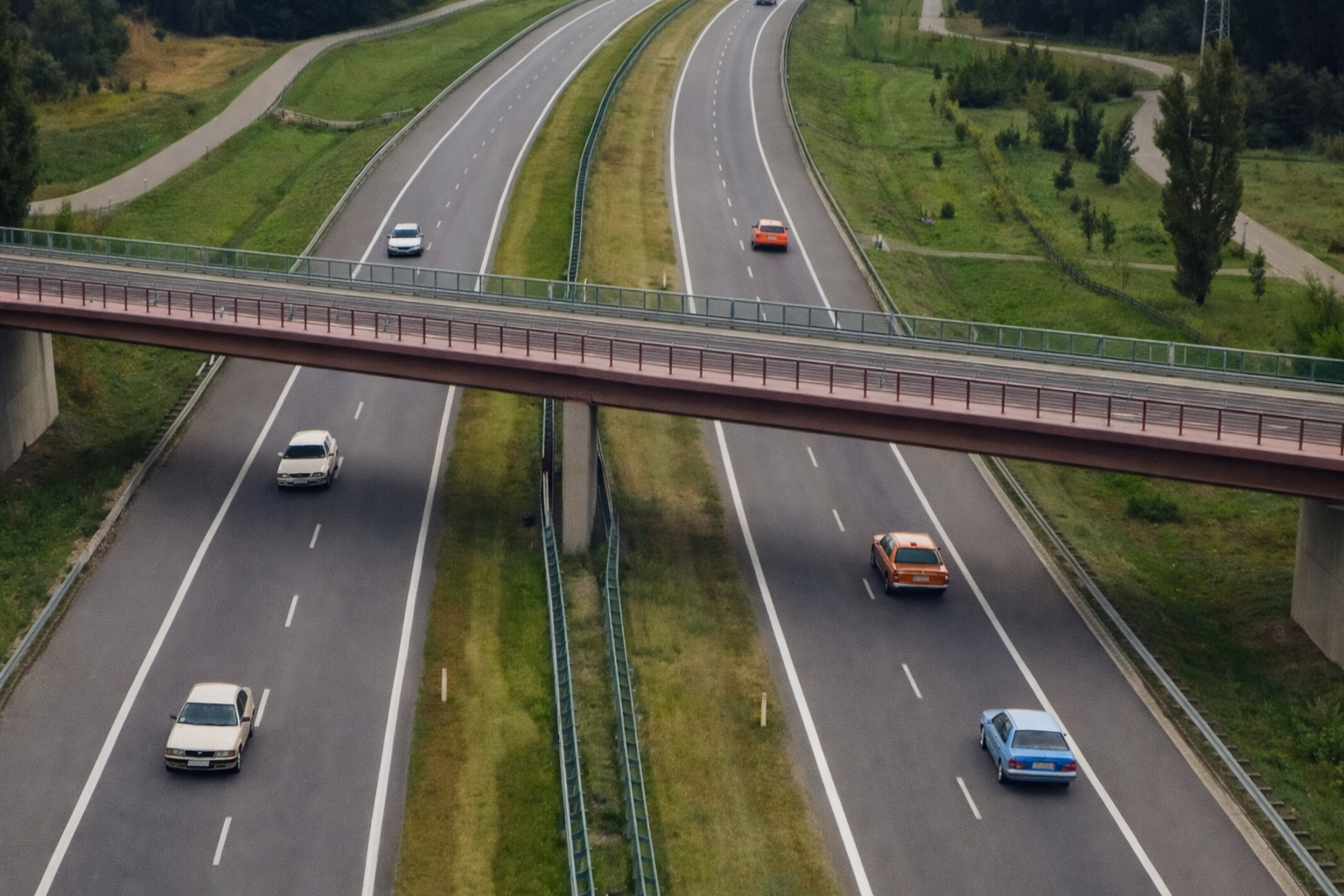
There may be direct access to properties
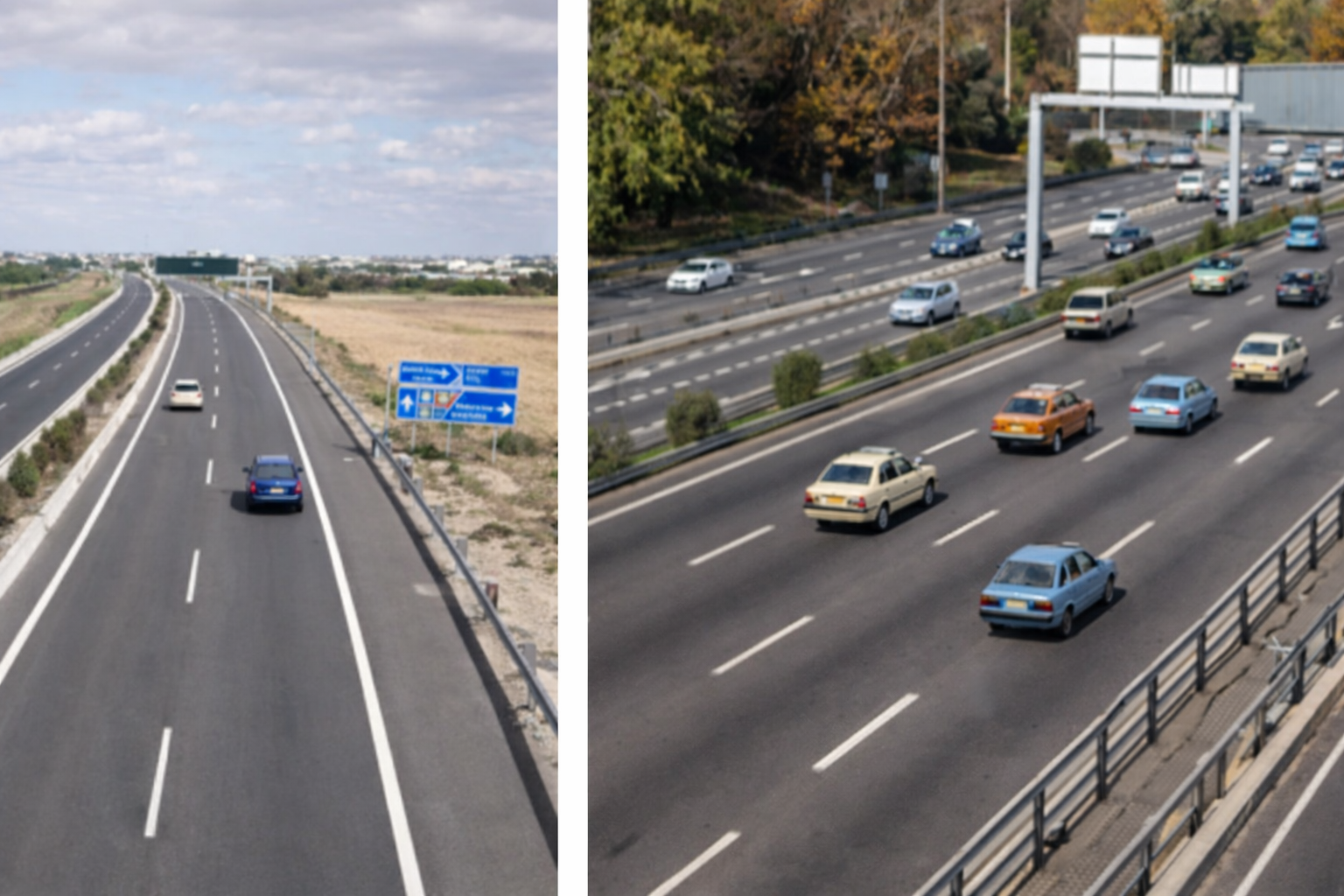
Urban motorways and dual carriageways
Same rules as the ones out of town
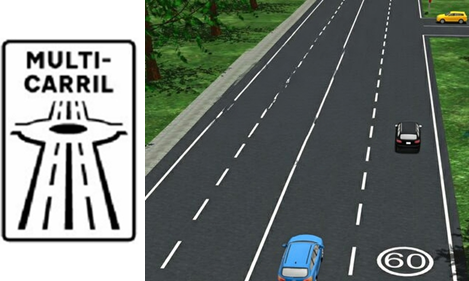 Multi-lane roads
Neither motorway nor dual carriageway, but it has 2 lanes for each direction with central reservation or road markings and the possibility of junctions at the same level
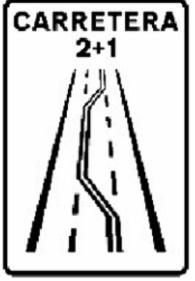 2 + 1 road
Road with 3 lanes, one for each direction and a central one to overtake, open for one of the directions separated by barriers or beacons
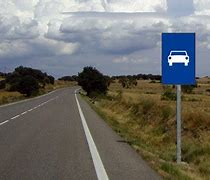
Highways reserved for automobiles
A single carriageway without access to properties
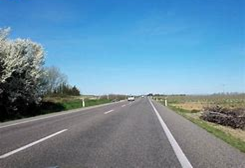
Conventional roads
Rest of roads with no sign to identify them (no restrictions)
Routes for Bicycles
Road reserved for bicycles with signs and road markings
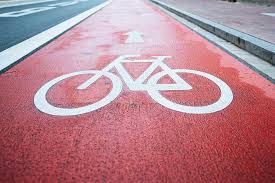
Bicycle lane: Delimited by road markings
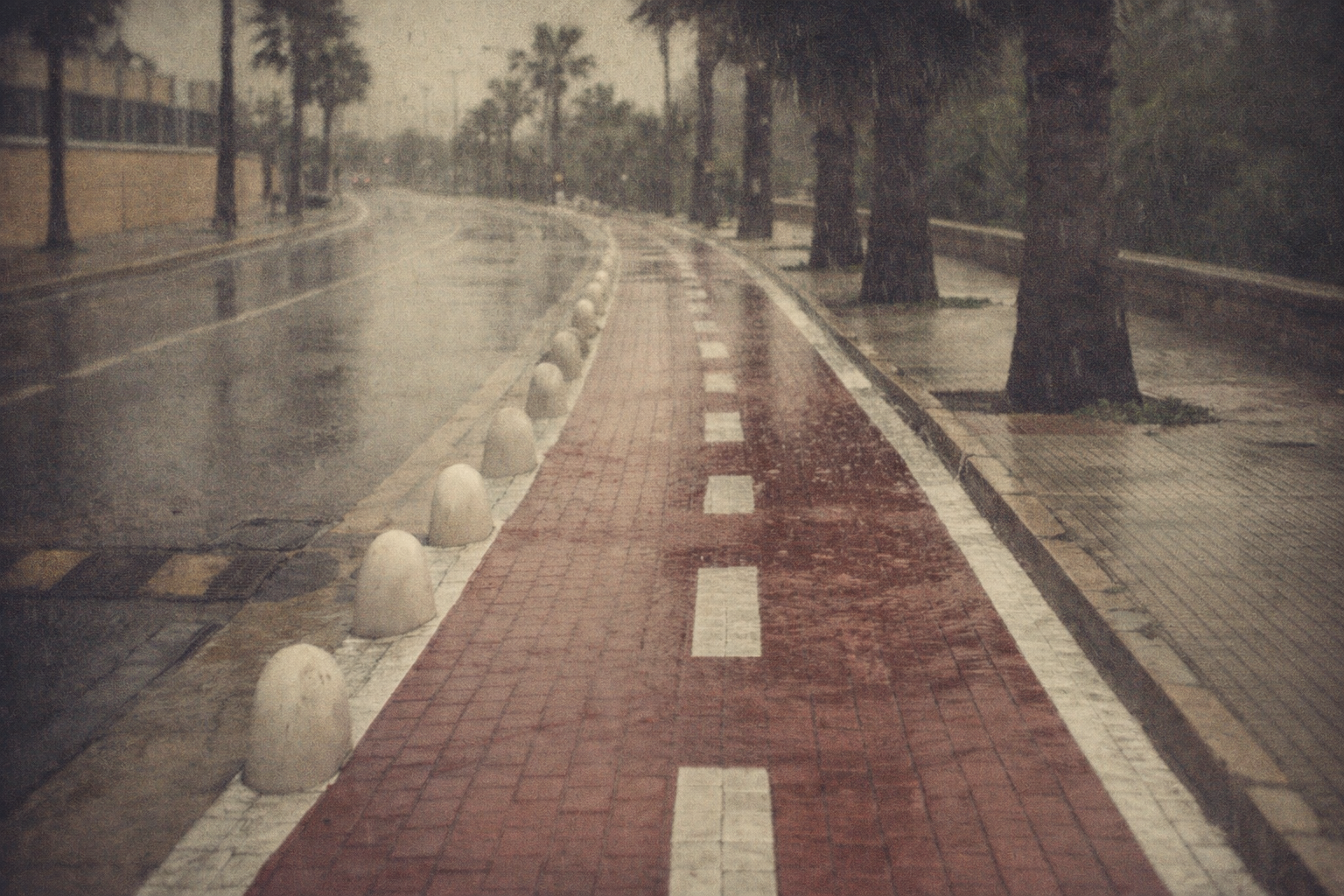
Protected bicycle lane: Separated from normal traffic
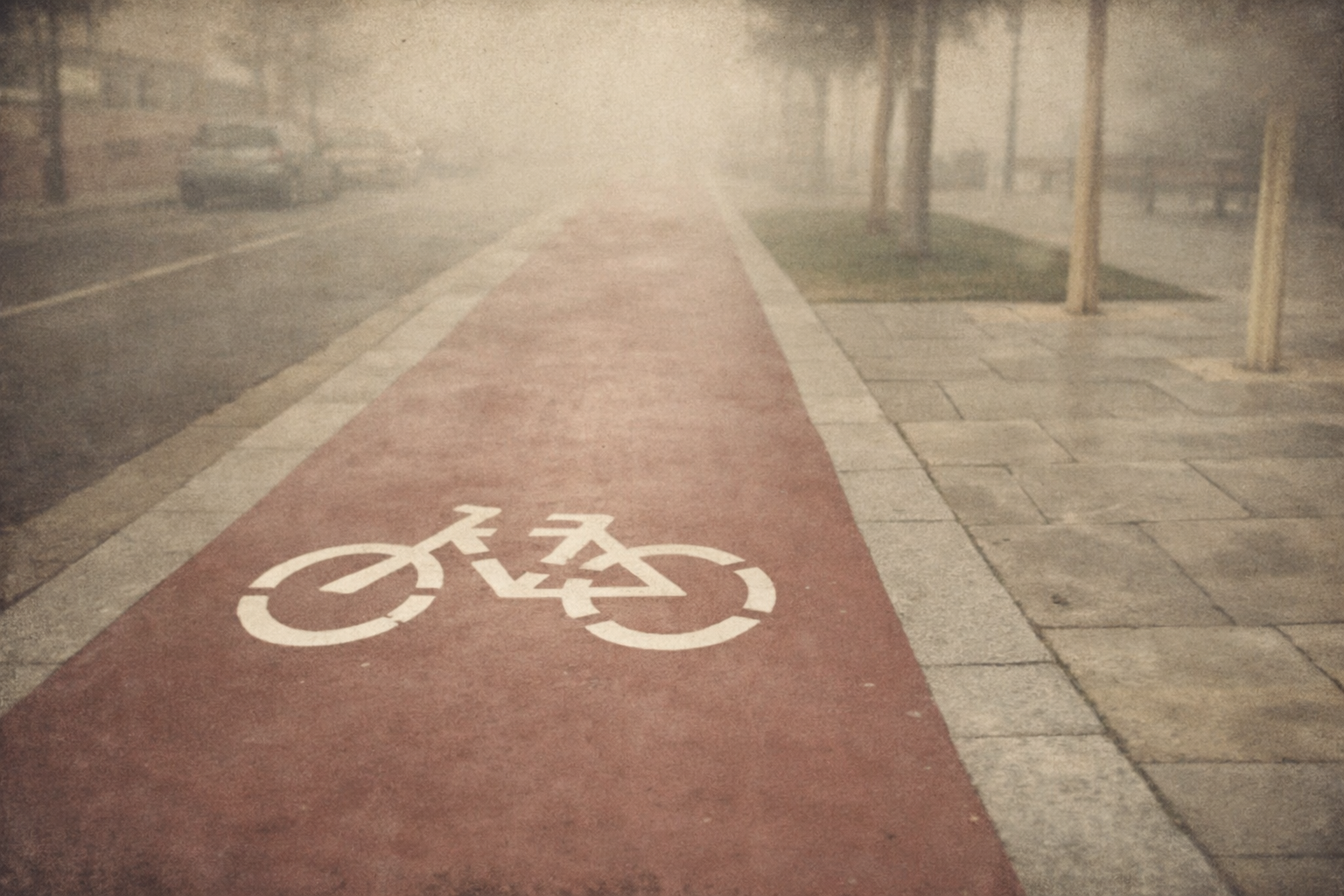
Bicycle lane in sidewalk
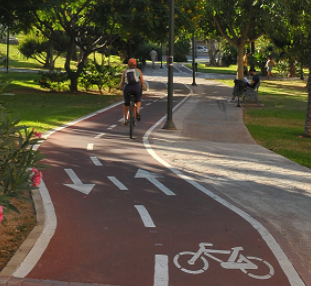 Off-road bicycle lane
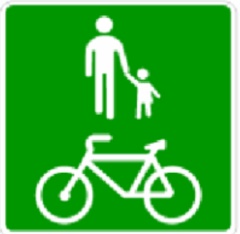
Cycle and pedestrian path: For cycles, pedestrians, and PMV. Out of traffic, usually, in parks and gardens
PUBLIC ROADS
Roads are used by drivers, pedestrians and animals. All users have rights, obligations, and prohibitions. And they all need to follow these rules:
Do not bother other users: You have to obey the rules and be respectful with the rest of users. Though your vehicle is yours, the road is not
Do not be surprising: You share the roads with more users so, you have to be sure not to endanger others when carrying out maneuvers
Warn others about your movements: By signaling with lights in order to inform the rest of users in advance. Indicating a maneuver doesn’t give you the right of carrying it out
Be understanding to others: Accepting their apollogies when they make mistakes
It’s forbidden to set fires or pollute public roads, wash vehicles or throw trash. You can’t obstruct traffic when parking or stopping
It is not allowed to modify the signalization in a way that may lead users to misunderstand it
In case of falling loads, you must remove them as soon as possible while protecting the area
Speed bumps are not considered obstacles as they ensure the safety of users such as pedestrians and cyclists
OBLIGATIONS
You have to be in perfect conditions to control your vehicle or animals (alcohol, fatige…) Especially when you run into children, elderly or handicapped people
You have to collaborate with the authorities to check noise and pollutants of your vehicle
You have to drive carefully to avoid accidents and damages. Reckless driving is a crime
You need to have free movements and visibility when driving. People, animals and loads must be transported properly. You can’t watch movies nor surf the internet while driving. GPS devices are allowed without touching the screen
You have to switch off engine, lights, radio and mobile phone when filling up the tank at gas stations
All registration plate numbers must be visible and legible. Drivers are responsible for this matter
PROHIBITIONS
You can’t wear earphones or bluetooth devices into your ears, except when learners are practicing and taking the driving exams for motorcycles
You can’t handle phones or GPS devices. It is also forbidden to carry the phone between your ear and helmet. Only hands-free kits are allowed when driving, including crash helmets with built-in speakers and bluetooth connection
You can’t install radar detectors or inhibiting devices
Owner: Person in charge of everything related to documentation and preventing people without licence from driving the vehicle on public roads. The owner has to identify the offender driver when, after an offence, the authorities can’t determine the identity
Usual driver: Person that usually drives the vehicle with the previous owner’s authorization
PARTS OF THE ROADS
Roadway platform: Includes carriageway and shoulder
Carriageway: Part of the road for traffic in general
Lane: Division of the carriageway. In case of lack of road markings, there will be as many lanes as automobiles (no motorcycles) can go side by side
Shoulder: Forbidden to drive, except non-powered driven vehicles or emergency situations. There is no difference whether it has broken or straight line
Verge: Unpaved part of the road where side barriers and signposts are placed
Central reservation: Part not for traffic to separate two carriageways. They are required for motorways and dual carriageways
Exit slip ramp: Join it at the beginning. It helps you slow down without hindering traffic on the main road
Ditch: Part close to the road to drain water
Service road: Access to join properties adjacent to the road
Acceleration lane: You need to adapt the speed at the end of it, according to the situation
Gradient change/Brow of a hill/Crest: It is an inclination on the road. In the event of lack of visibility, you can’t invade the oncoming lane. This rule is also at bends/curves without visibility
Roundabout: Drive around a central island. You have to leave them from the right lane
Split roundabout/Racket: Compulsory to join it when turning left. In the event of U-turns, either way is correct
Pedestrian area: Part of the road delimited and reserved for pedestrians, including sidewalks and footpaths
Traffic island: Area delimited in the carriageway to channelize traffic at junctions
Refuge: Pedestrian area placed in the carriageway and protected from the traffic
Types of highways(roads)
Urban road: Inside town, except through roads
Through road: Stretch of a road crossing a town
Interurban/Inter-city road: Out of town
Motorway
Junctions at different levels. Two carriageways divided by a central reservation
No access to properties, so it’s necessary a service road to access to properties adjacent to the main road
Dual carriageway
Junctions at different levels. Two carriageways divided by a central reservation
There may be direct access to properties
Urban motorways and dual carriageways
Same rules as the ones out of town
Multi-lane roads
Neither motorway nor dual carriageway, but it has 2 lanes for each direction with central reservation or road markings and the possibility of junctions at the same level
2 + 1 road
Road with 3 lanes, one for each direction and a central one to overtake, open for one of the directions separated by barriers or beacons
Highways reserved for automobiles
A single carriageway without access to properties
Conventional roads
Rest of roads with no sign to identify them (no restrictions)
Routes for Bicycles
Road reserved for bicycles with signs and road markings
Bicycle lane: Delimited by road markings
Protected bicycle lane: Separated from normal traffic
Bicycle lane in sidewalk
Off-road bicycle lane
Cycle and pedestrian path: For cycles, pedestrians, and PMV. Out of traffic, usually, in parks and gardens
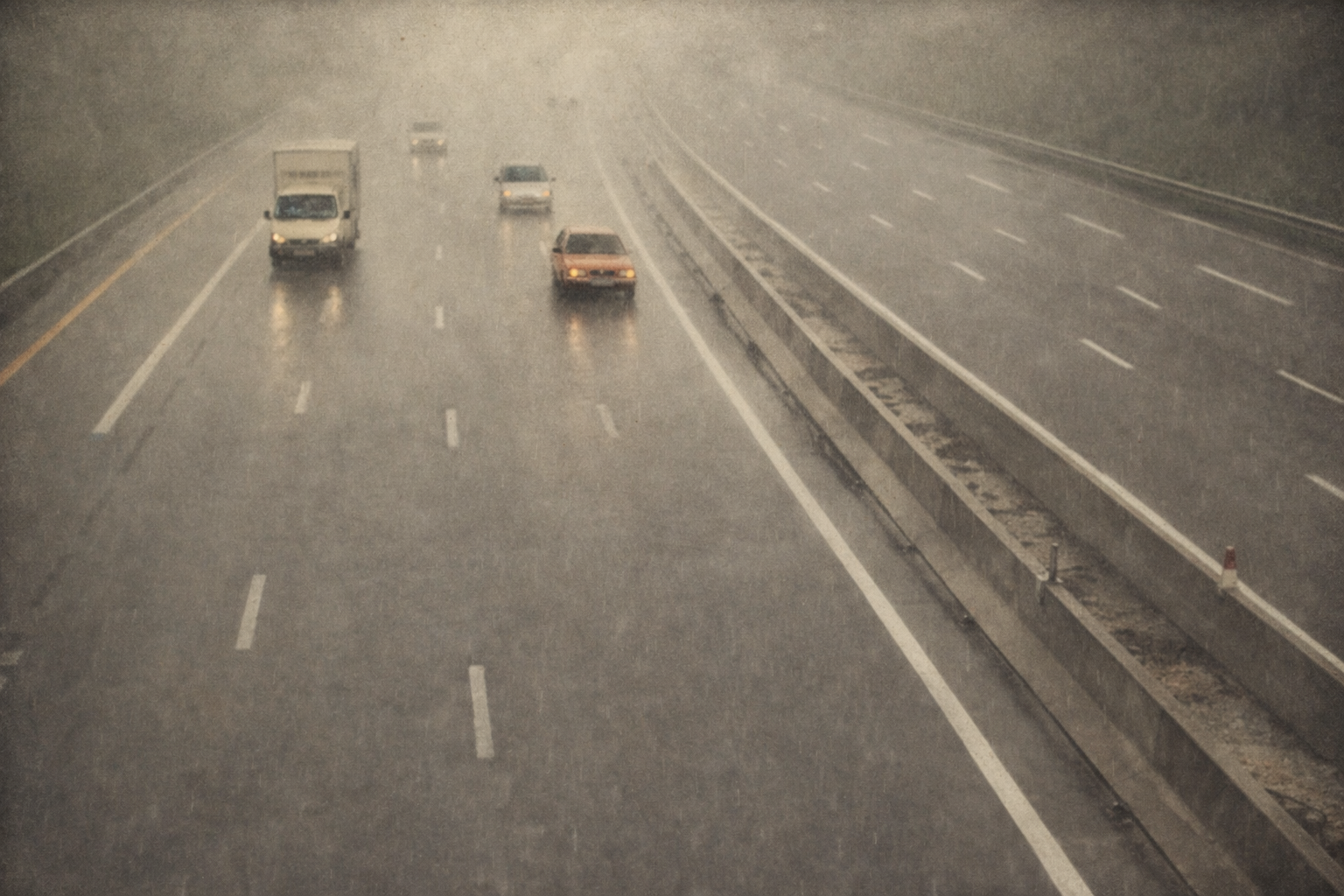
These roads can be used by automobiles enable to reach, at least, 60 Km/h on flat ground. Also, oversized special vehicles with authorization and non-oversized special vehicles when they are enable to reach more than 60 Km/h on flat ground
The following users are forbidden on these roads:
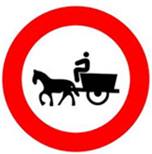
ANIMALS & ANIMAL-DRAWN VEHICLES
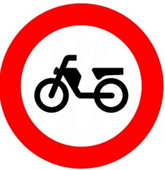
MOPEDS AND REDUCED MOBILITY VEHICLES
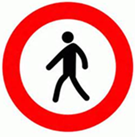
PEDESTRIANS
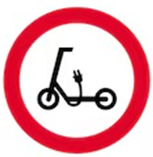
PERSONAL MOBILITY VEHICLES
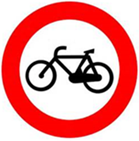
CYCLES, EXCEPT ON DUAL CARRIAGEWAYS
REQUIREMENTS:
Without leaving hard shoulder
When cyclists are 14 years old, at least
GENERAL RULES FOR VEHICLES
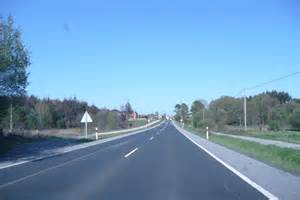
Carriageway: All automobiles and special vehicles above 3,500Kg of MAM. At bends and gradients without visibility you must drive as close to the right as possible
On TWO-WAY carriageways (roads with oncoming traffic lane)
TWO LANES
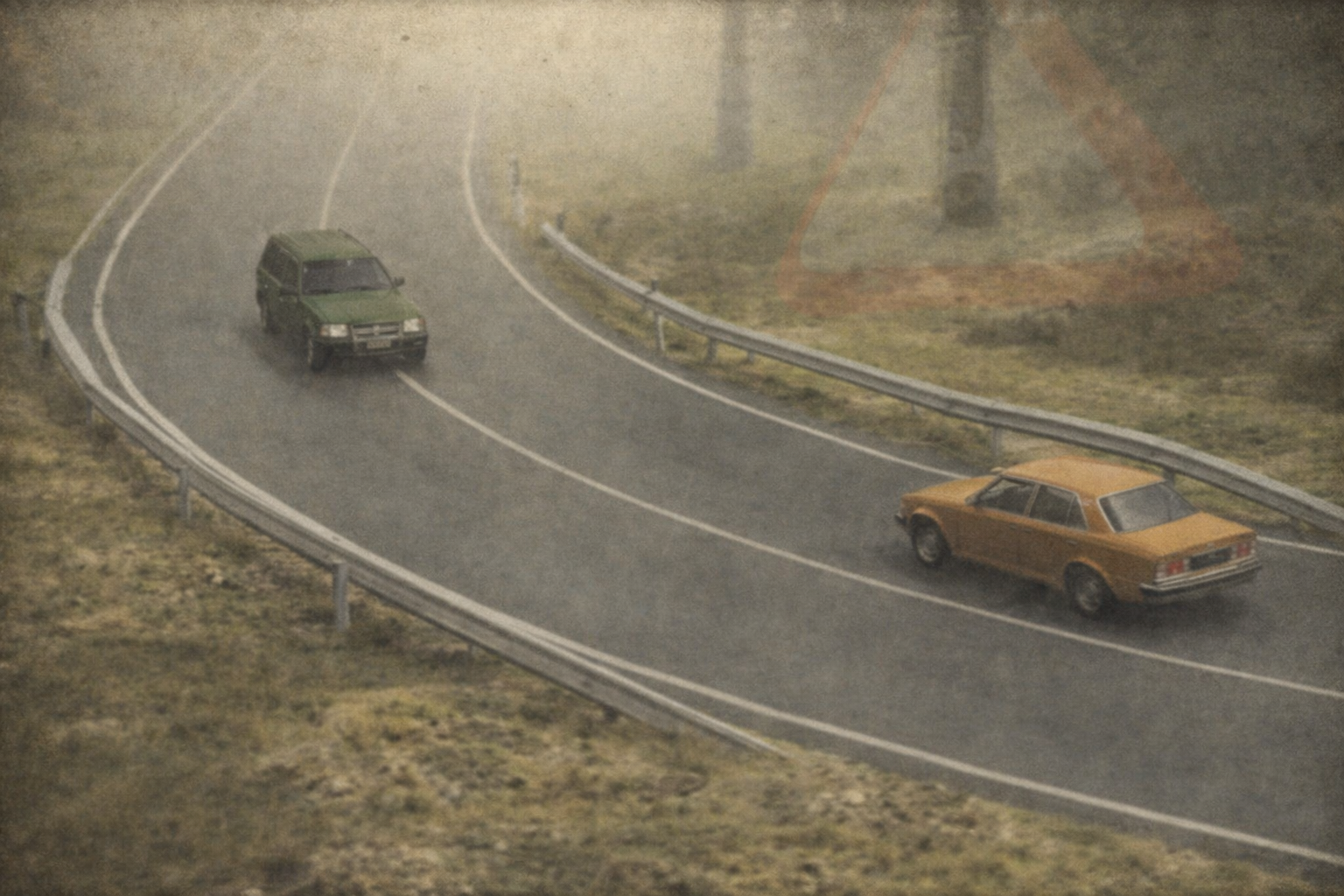
Right lane, especially with lack of visibility
Left lane (contrary): Only to overtake when it is safe
THREE LANES (with broken lines)
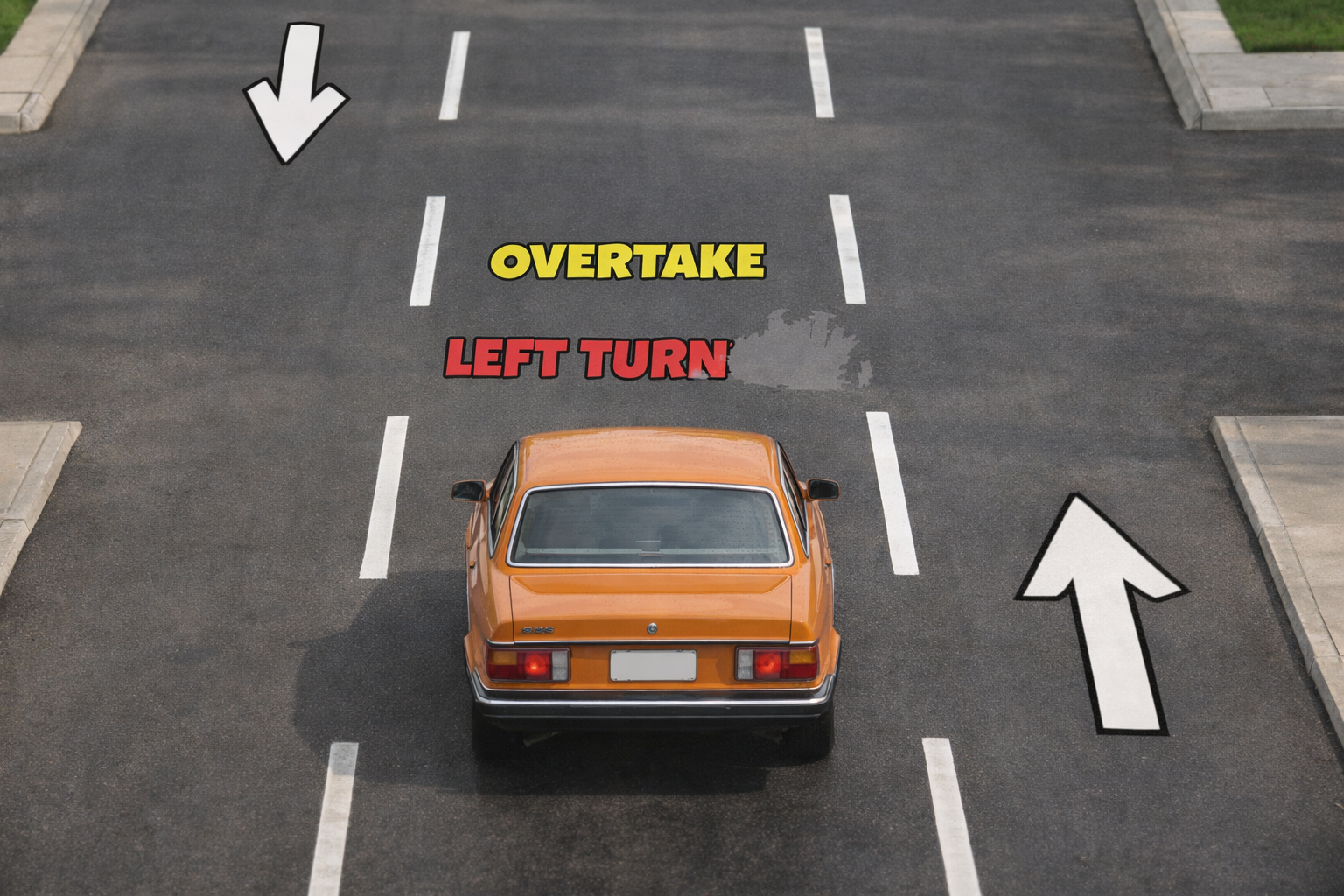
Right lane: To drive, right turns and U-Turns
Central lane (when it is empty): Left turns and to overtake
Left lane: NEVER
On ONE-WAY carriageways (no oncoming traffic lane)
OUT OF TOWN and URBAN MOTORWAYS/DUAL
TWO LANES in the same direction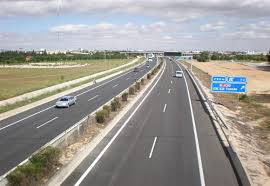
Right one to drive. Left one when necessary to overtake without hindering other vehicles behind
THREE OR MORE
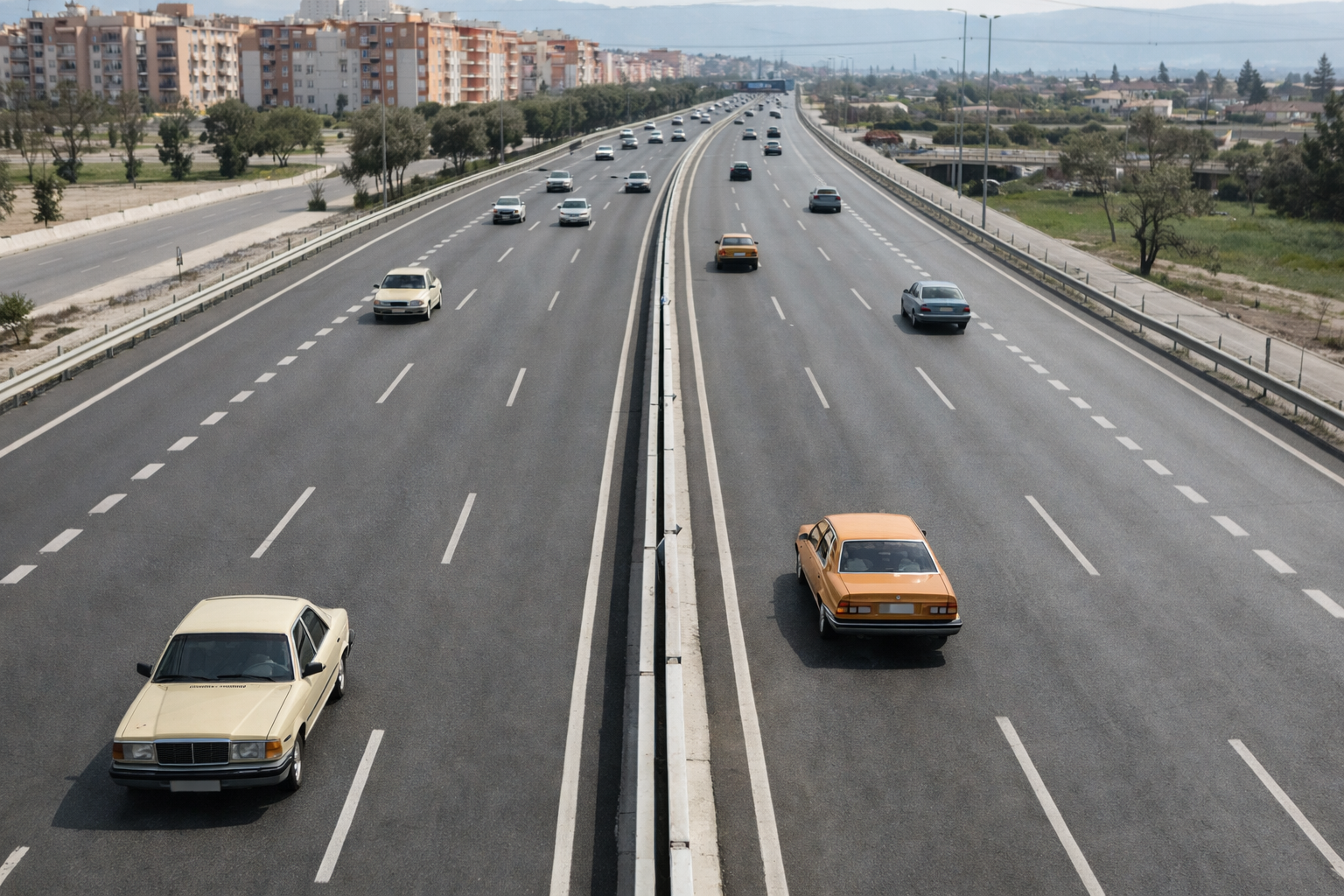
Right one to drive. The other ones when necessary to overtake
The following vehicles can only drive in the right-hand lane and the closest one when necessary to overtake:
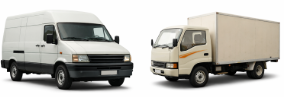
Lorries, vans and special vehicles more than 3500Kg
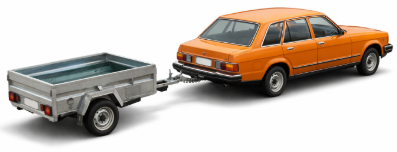
Vehicle combinations more than 7m long
IN TOWN/BUILT-UP AREAS
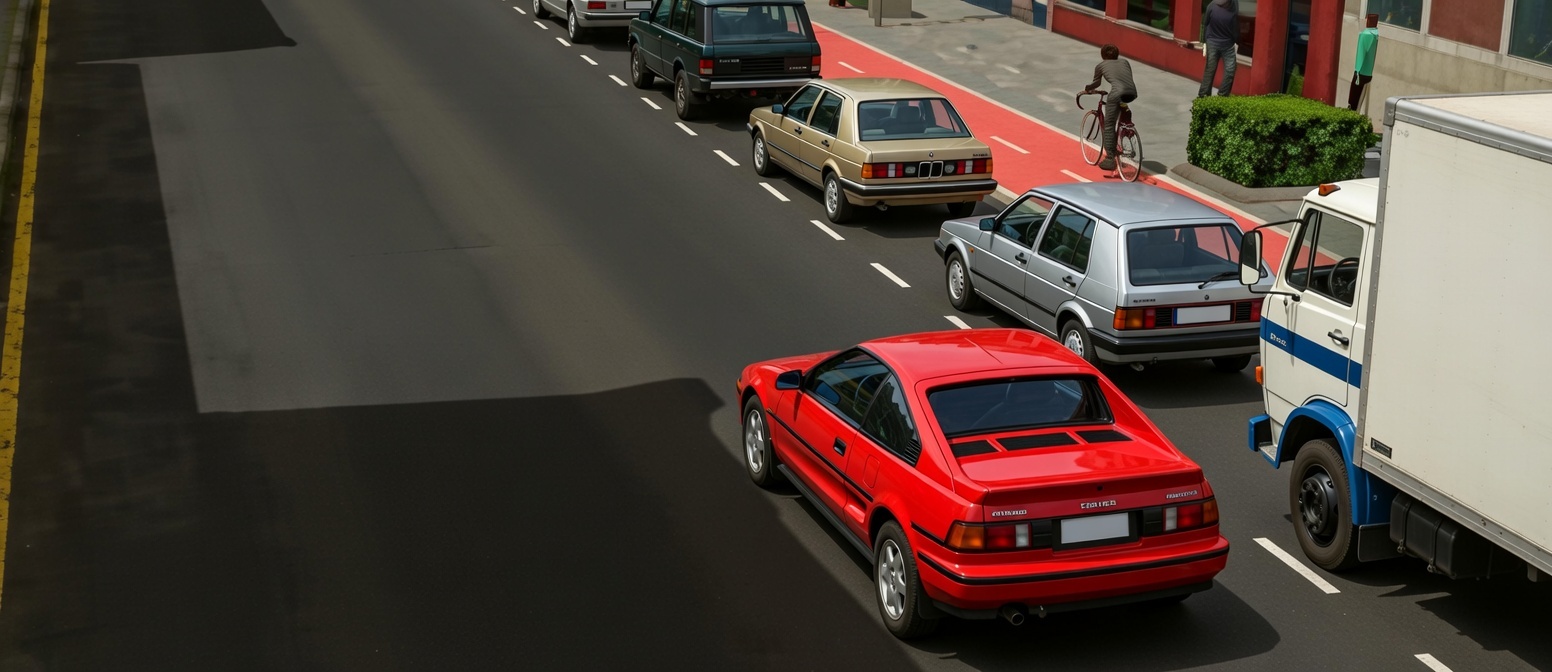
Without road markings: Right lane to drive / Left one: To overtake and left turns
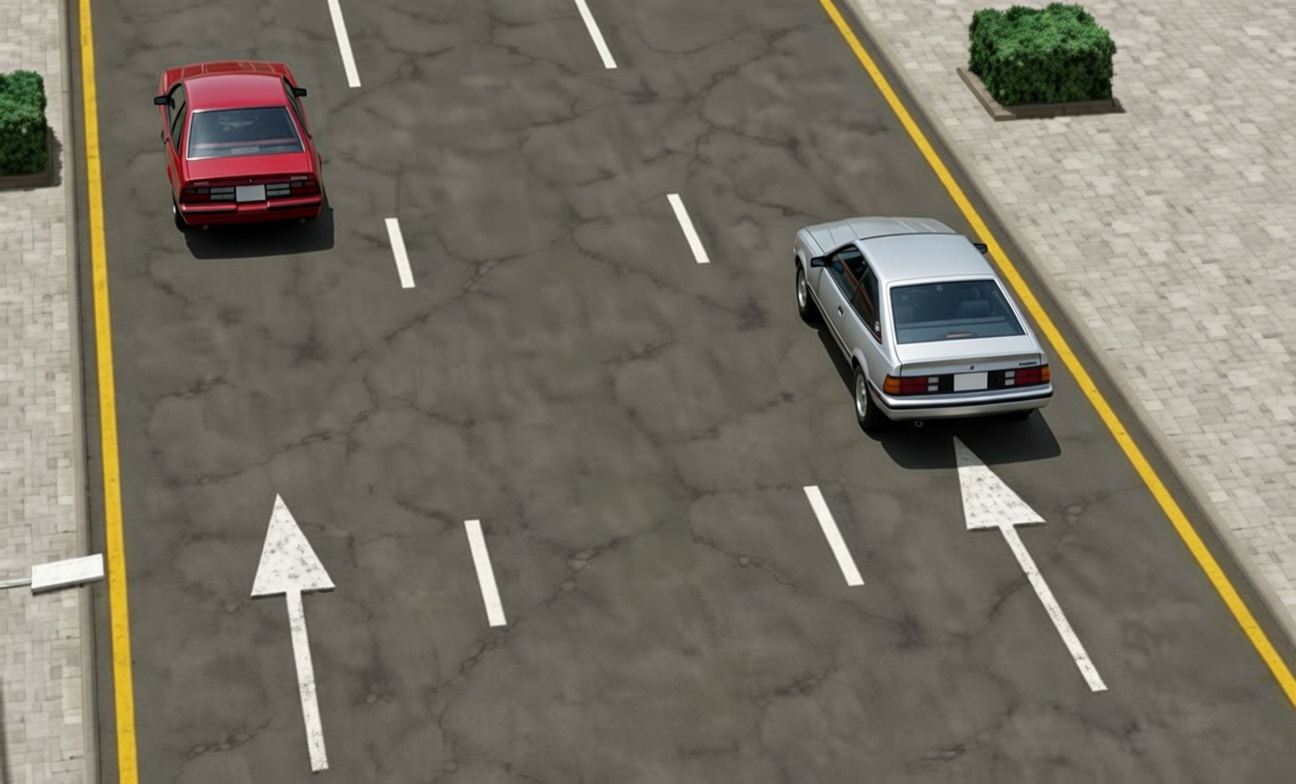
With road markings: Lane most convenient for your destination
Traffic island: To channelize traffic. Forbidden to drive, park and stop
On two-way roads: You must drive on the right side
On one-way roads: You may drive either on the right or left
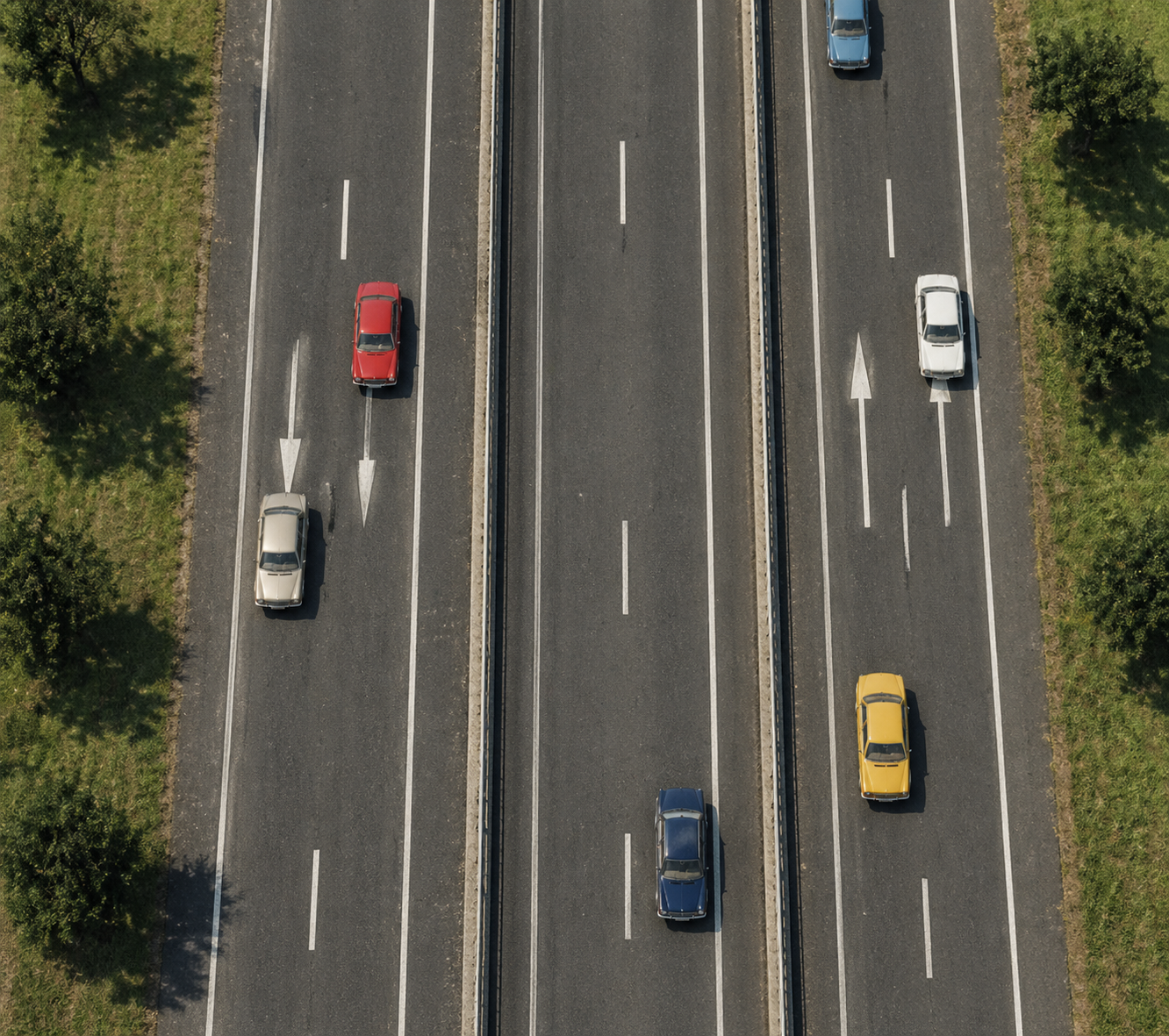
On roads with three carriageways, the ones on the sides are one-way, but you may find contraflow lanes. However, the central one can be one or two-way road according to the signs
There are some lanes that don’t count as normal lanes such as:
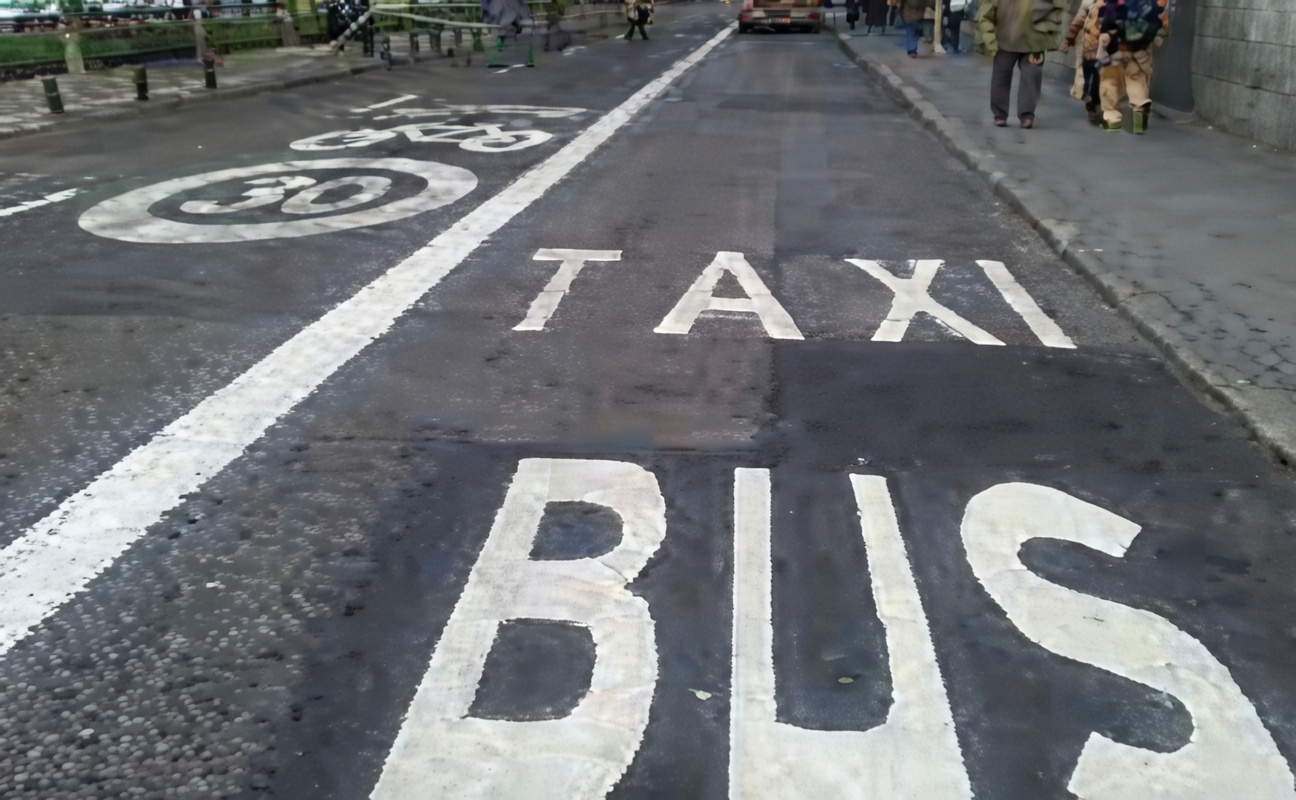
Reserved for certain vehicles: Bus, bicycle…
Reserved for certain maneuvres: Acceleration, waiting lanes…
LANES ACCORDING TO THE SPEED
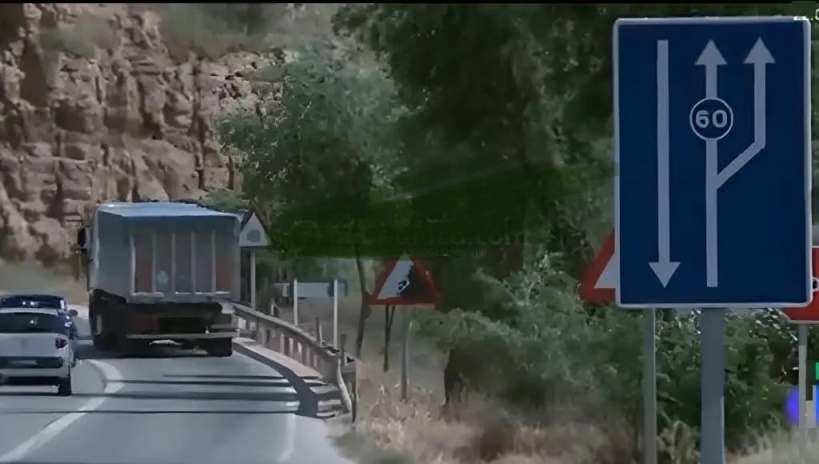
In this situation, the central lane can be only used by vehicles going at 60 km/h or above to overtake
But you must drive in the right lane as general rule
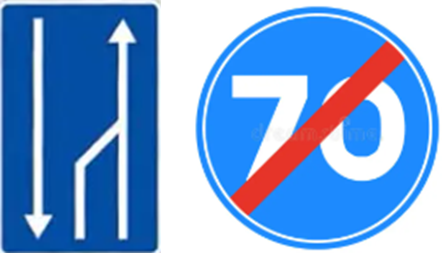
The obligatory speed ends when the lane ends or you observe the “end of obligatory minimum speed”. These lanes are taken into account when it comes to using the road
LANES RESERVED FOR BUSES
CONTINUOUS LINE: You can cross it to leave this lane. Never to join it
BROKEN LINE: You can join it to make turns
PROHIBITIONS: Driving, stop, park, overtaking and U-Turns
LANES FOR CERTAIN VEHICLES
HOV LANE (VAO) – HIGH OCCUPANCY VEHICLES
They can be used by vehicles for only transporting people up to 3500 Kg of MAM
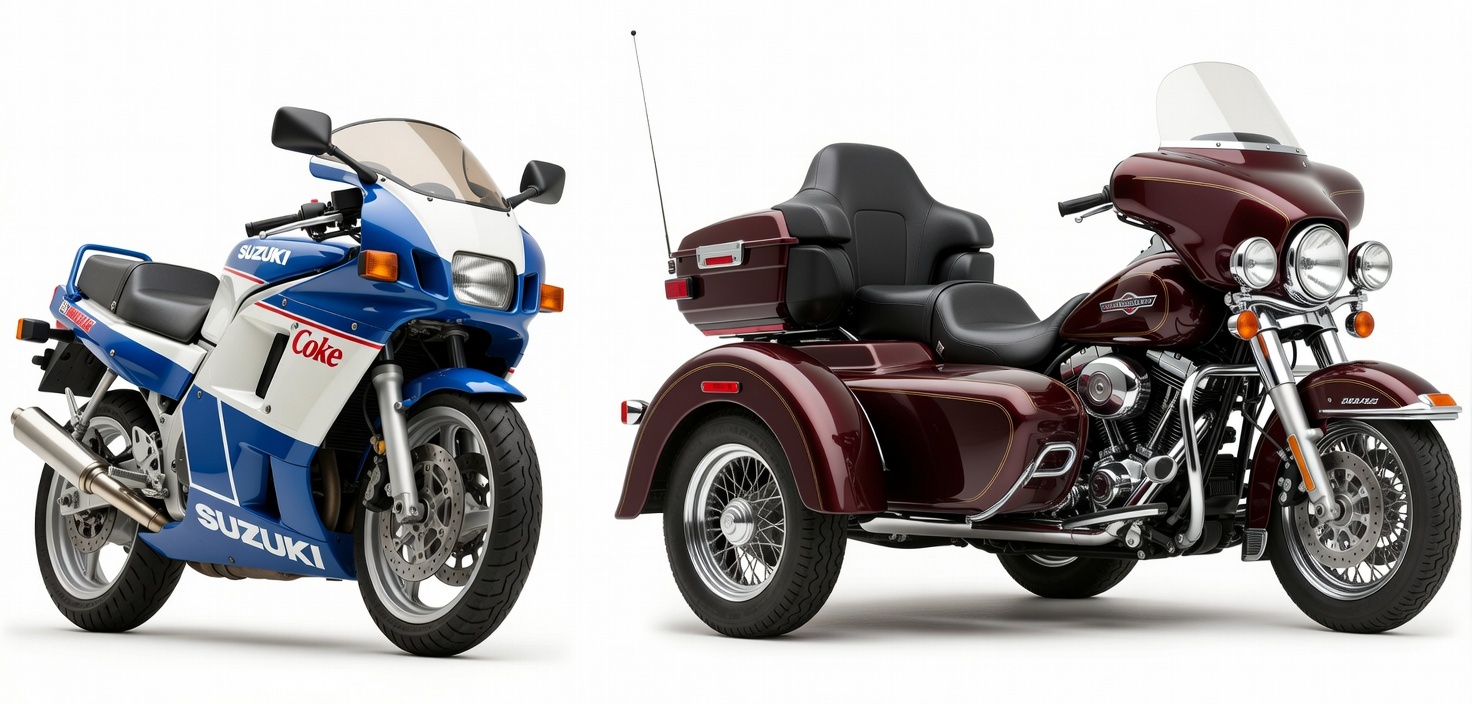
MOTORCYCLES and 3-WHEELED VEHICLES
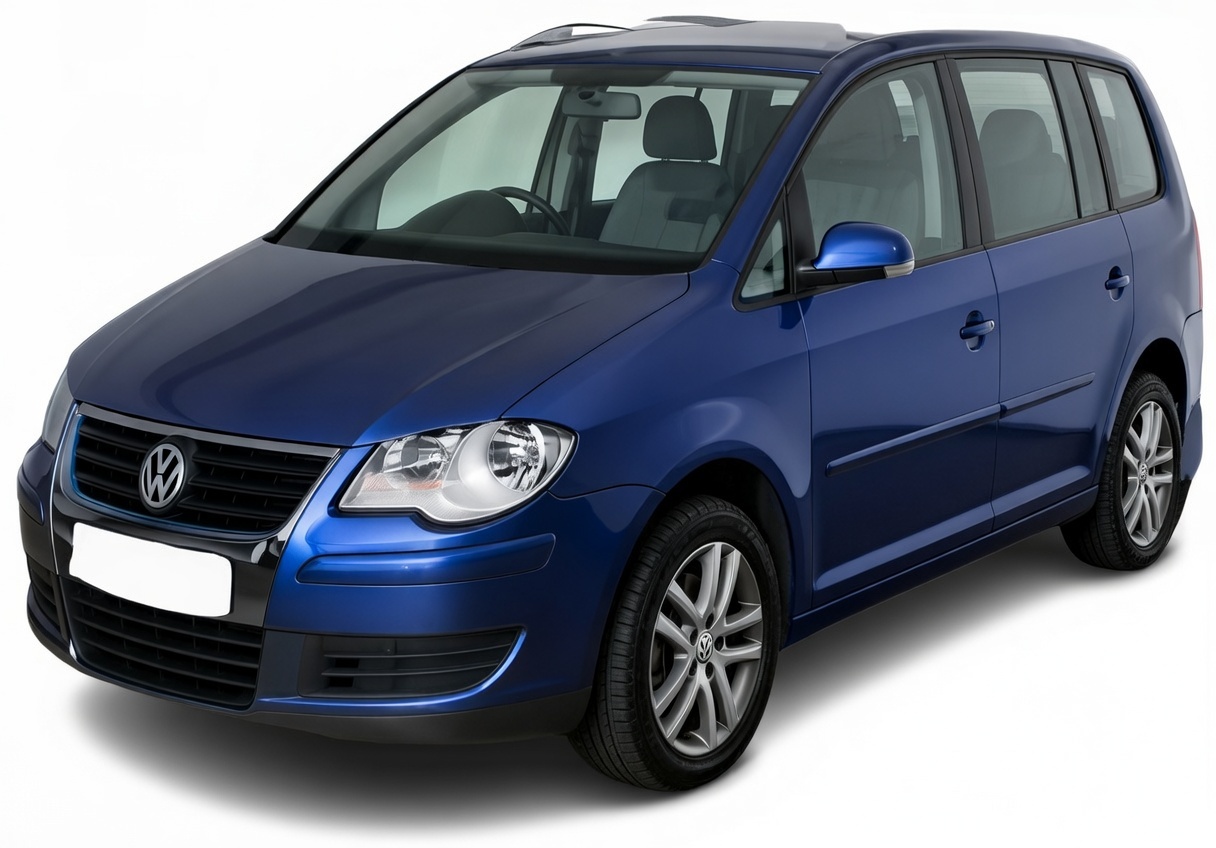
SEDANS (WITHOUT TRAILERS)
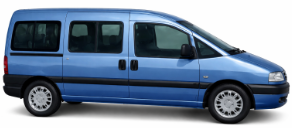
DUAL-PURPOSE VEHICLES (WITHOUT TRAILERS)
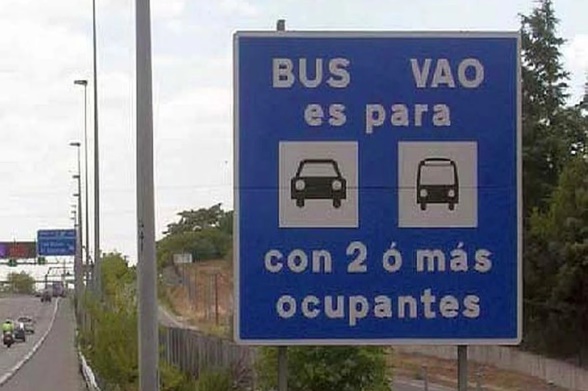
These vehicles need to be occupied by the number of occupants indicated on the panels. But, there is an exception for drivers to go alone:
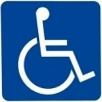
HANDICAPPED DRIVERS (V-15 badge)
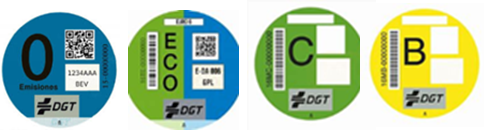 ONLY when indicated on the PANELS
Administrative vehicles on emergency calls
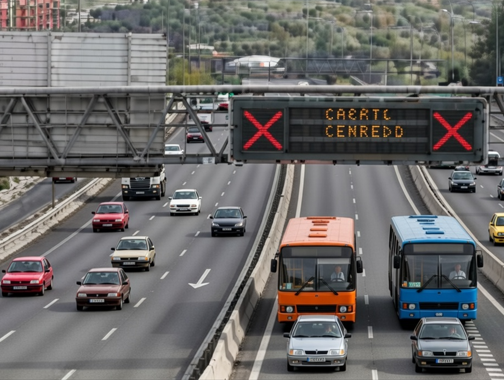
Buses may also use these lanes when the driver goes alone and it is properly established -> BUS-VAO
The maximum speed in these lanes is the same as the one of the road where it is placed
It is not compulsory to drive with dipped headlights on
FORBIDDEN -> Vans, lorries, vehicles towing trailers, mopeds, pedestrians…
LANES FOR CERTAIN MANEUVRES
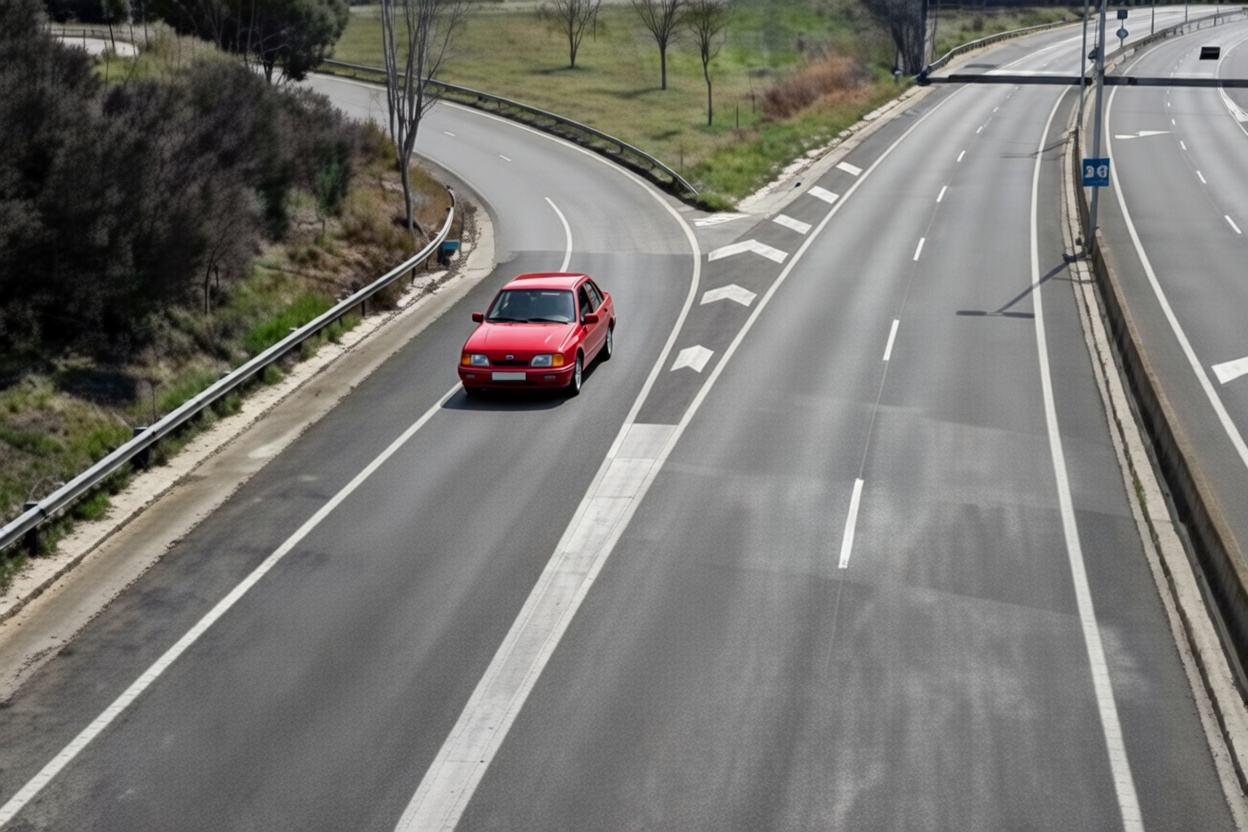
ACCELERATION LANES : To join roads adapting the speed at the end of them
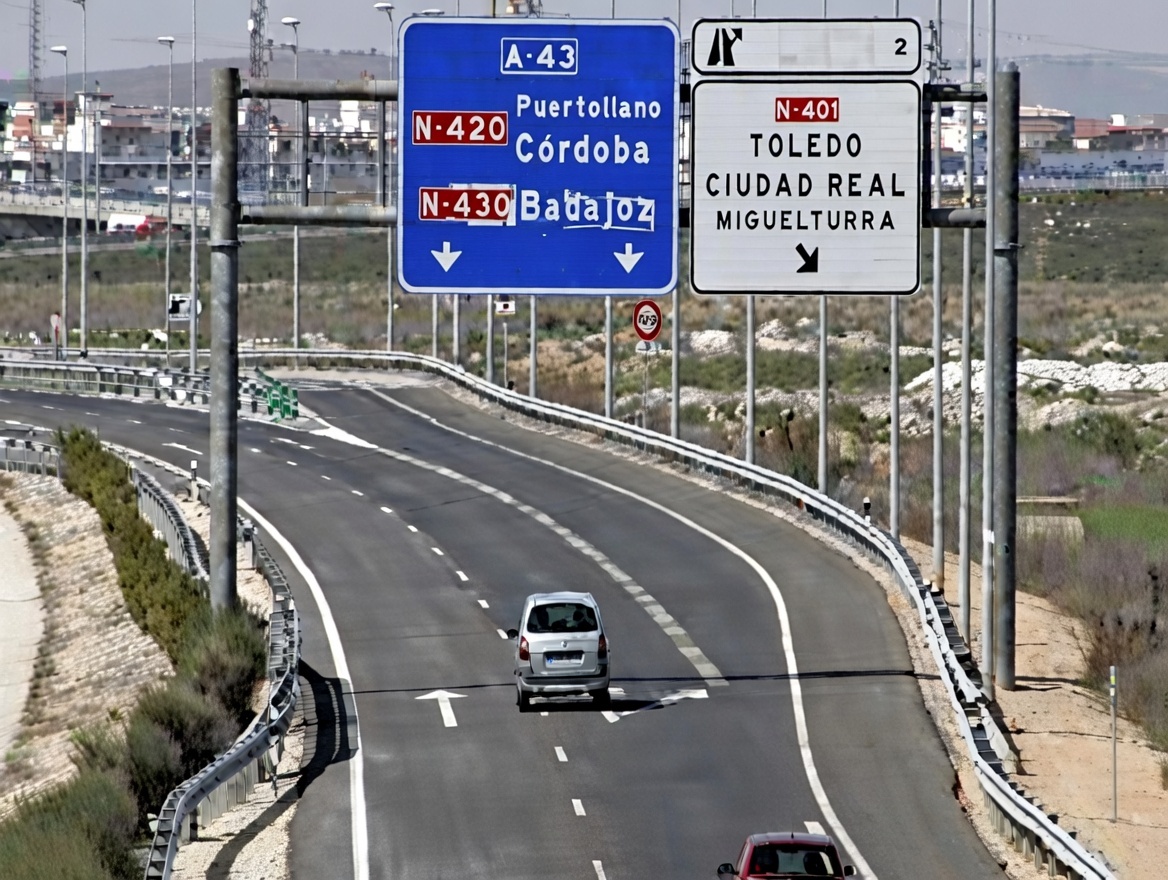
DECELERATION LANES / EXIT RAMPS: To leave roads. You have to join them from the beginning to slow down
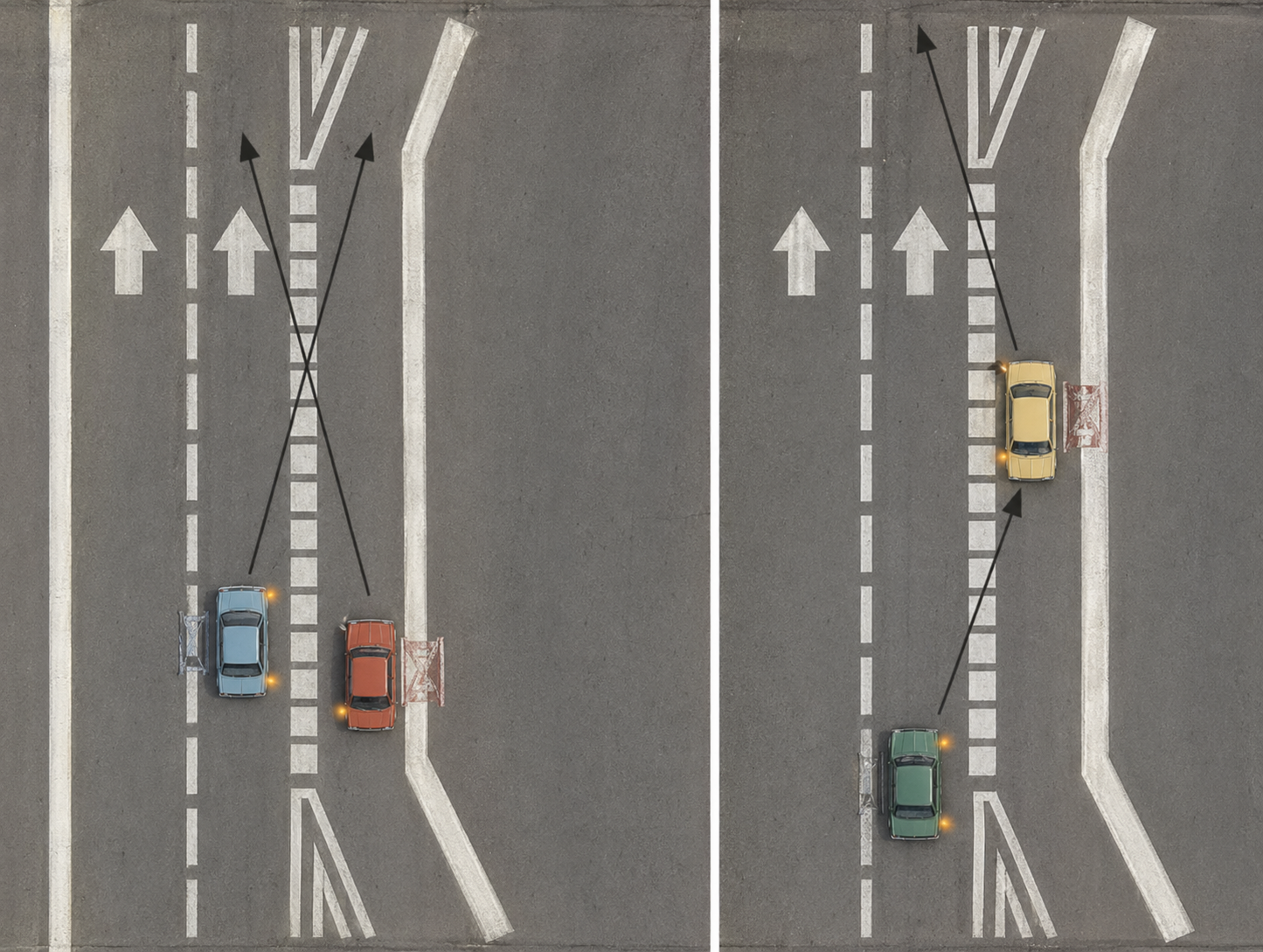 INTERTWINED LANES: To join and leave roads. It is important to show indicators in advance
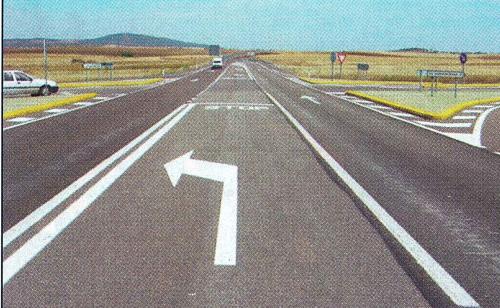
WAITING LANES: To turn left without obstructing traffic on the main road
LANES TO IMPROVE FLOW OF TRAFFIC
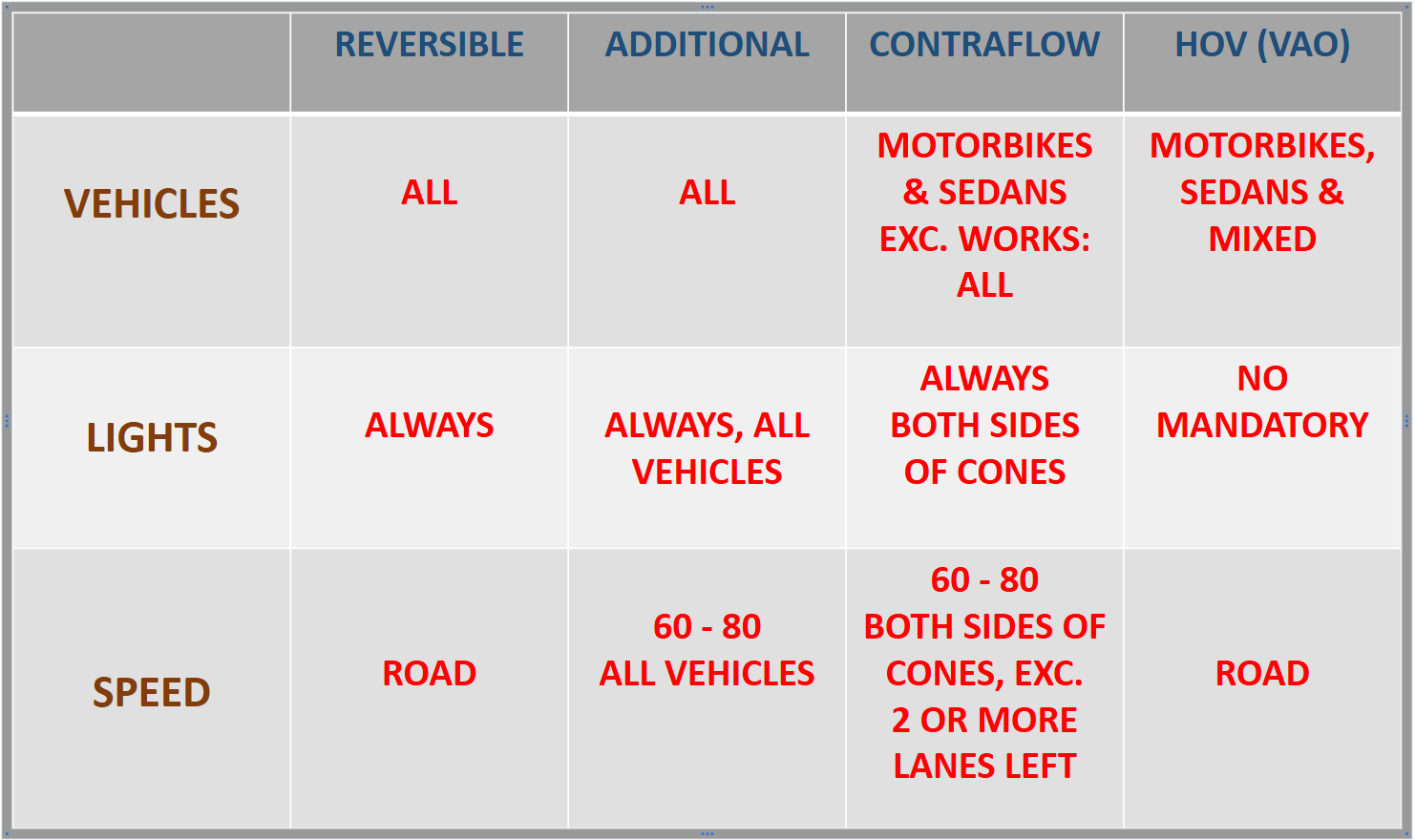
REVERSIBLE LANE
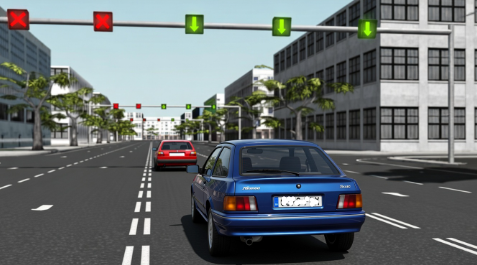
Square traffic lights and double broken lines on both sides
Dipped headlights are always compulsory
All vehicles are allowed to use this lane
Maximum speed -> The one of the road
Forbidden to invade the lane on the left
ADDITIONAL
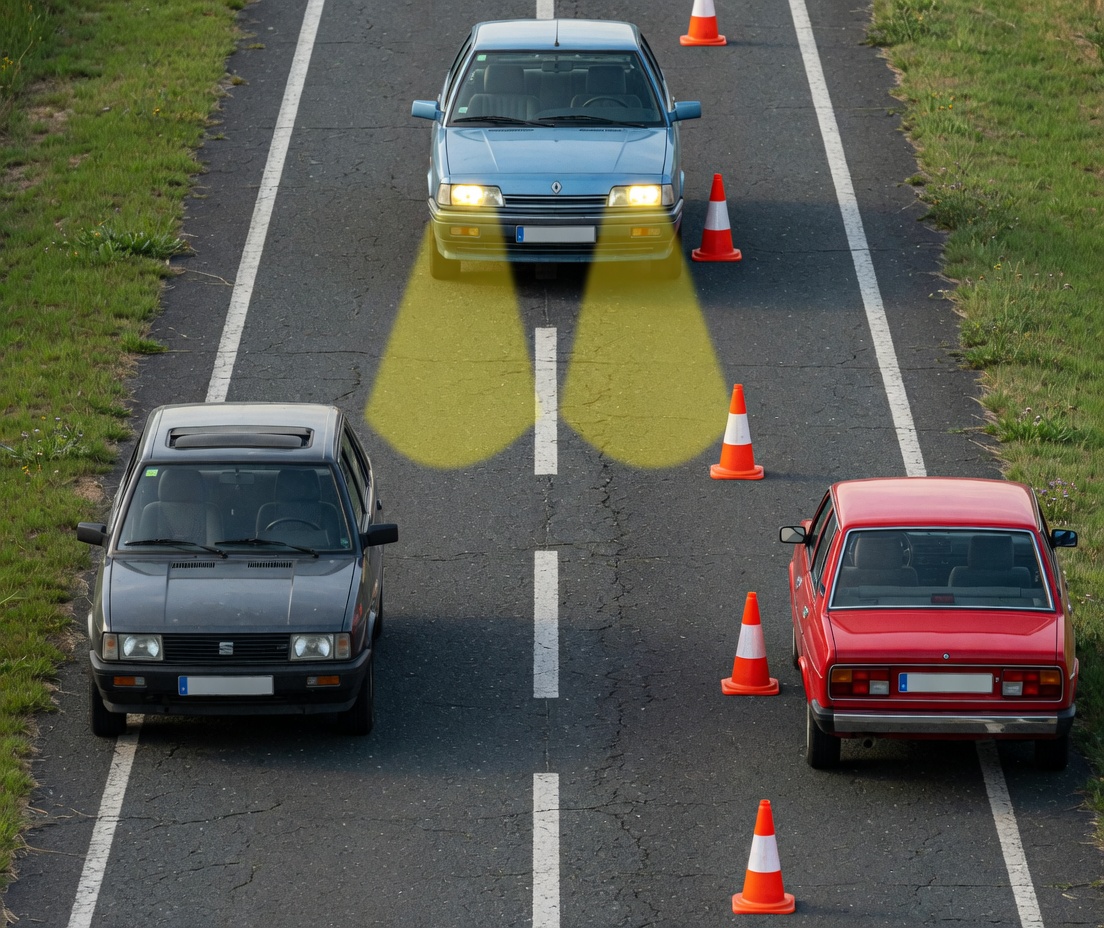
On two-way roads with shoulders, a new lane is added by using the hard shoulders
Dipped headlights always on (ALL VEHICLES)
Speed 60-80 Kph (ALL VEHICLES)
Forbidden to pass through the cones or beacons
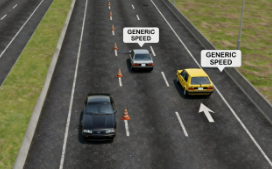
ENABLE IN THE OPPOSITE DIRECTION / CONTRAFLOW LANE
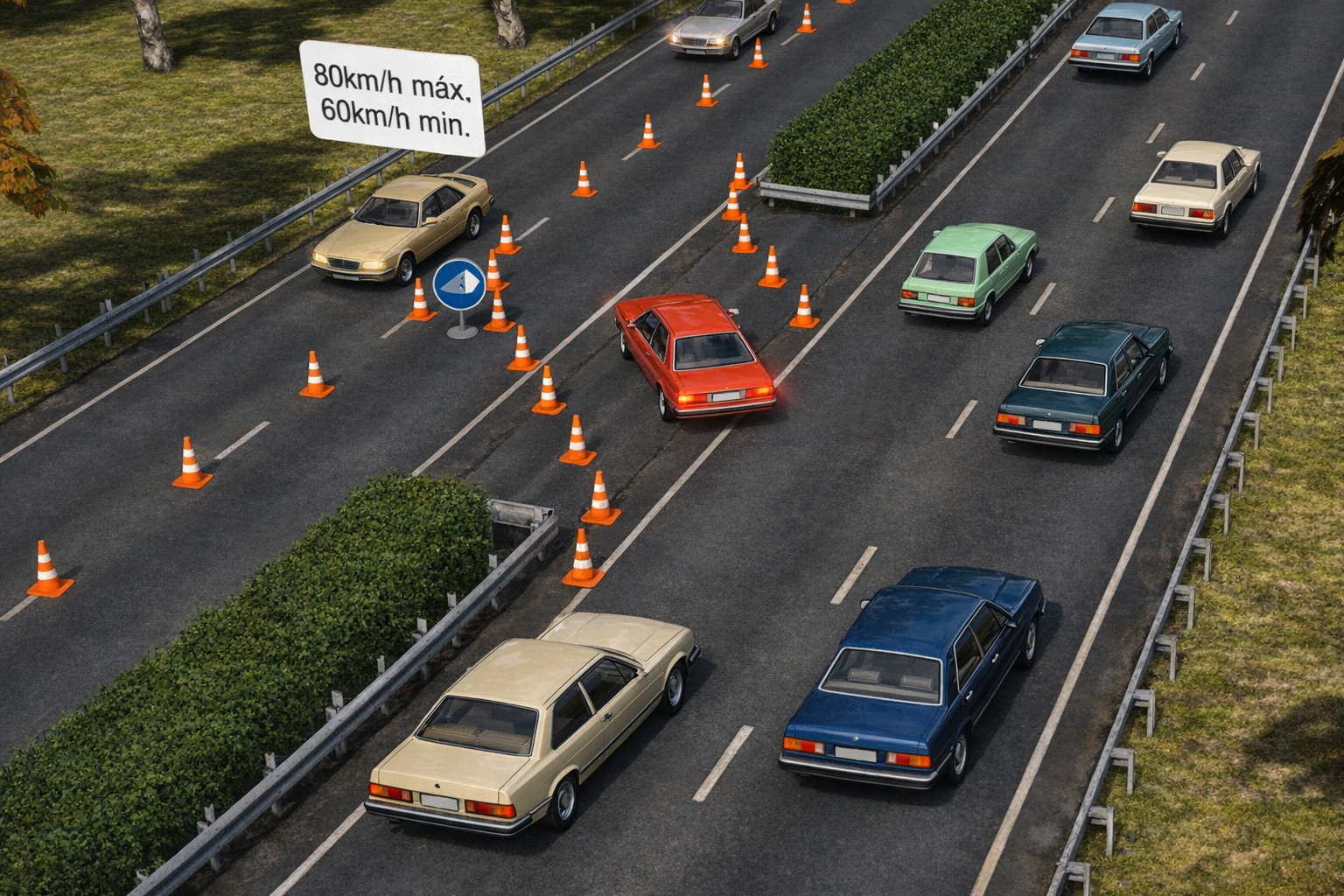
When this lane is open due to fluidity reasons, only sedans (no trailer) and motorcycles
When this lane is open due to road works, all vehicles on the road are allowed
Dipped headlights are compulsory in the lanes on either side of the cones
The speed in the contraflow lane: 60-80 Km/h
The speed in the lane in the normal direction-> 60-80 Km/h. But, when there are 2 or more lanes left in the normal direction, the speed is the generic of the road
VEHICLES IN HARD SHOULDER
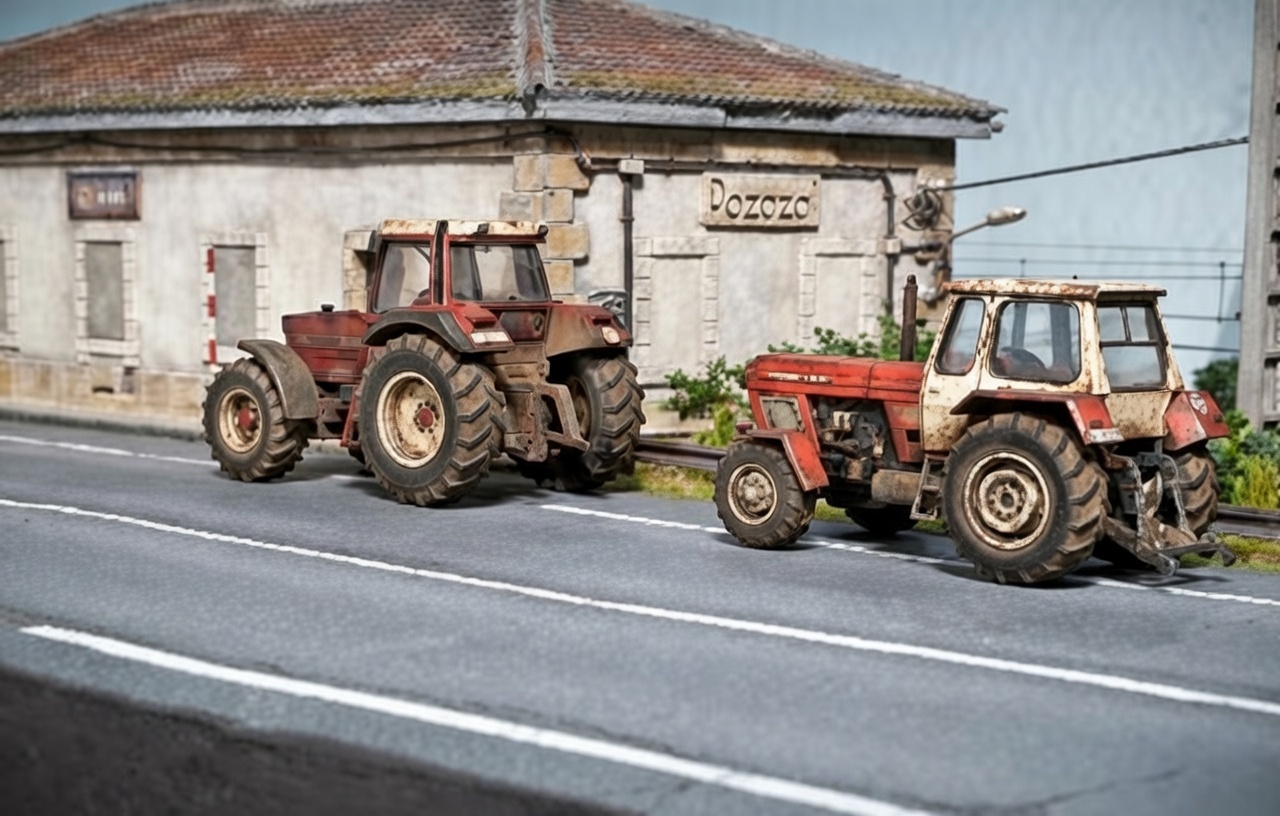
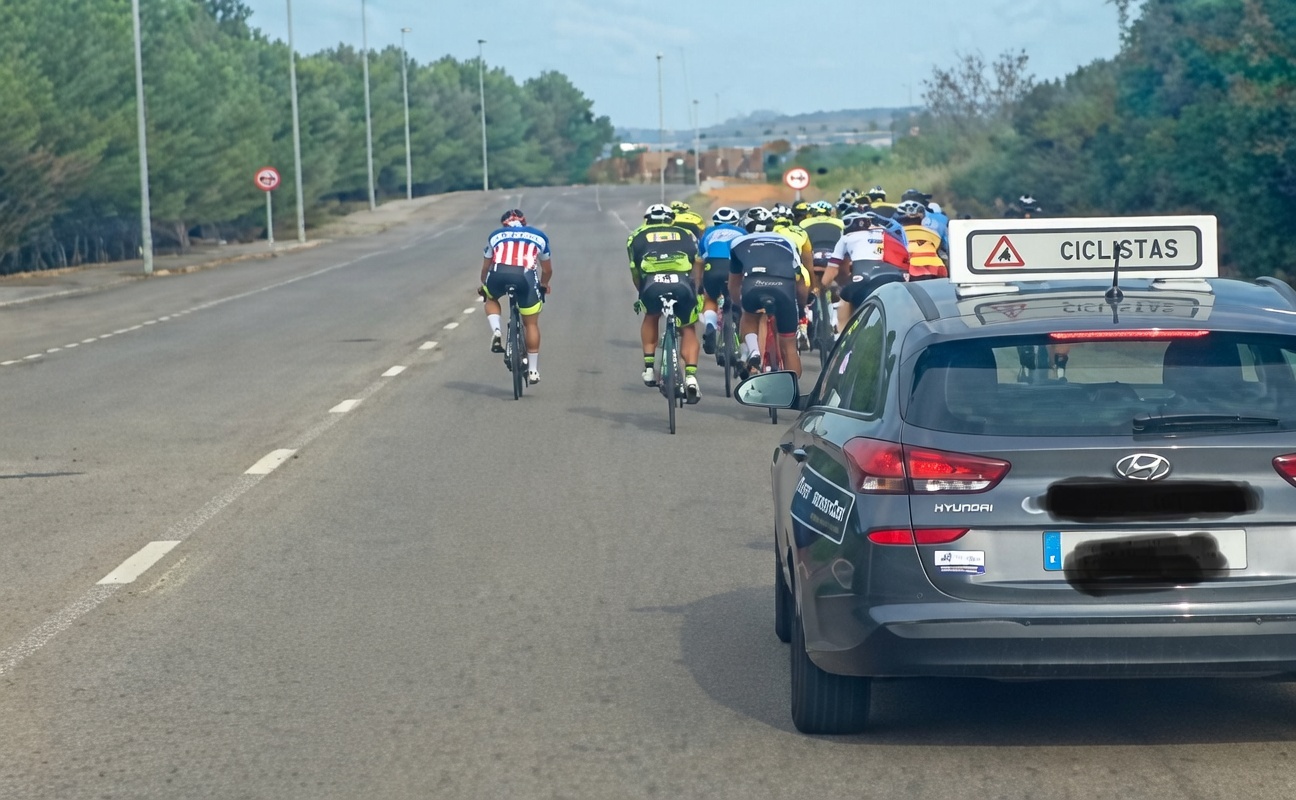
When there is not a path for them, the following vehicles will go along the right hard shoulder -> Special vehicles up to 3,500Kg, non-powered driven vehicles and vehicles following cyclists. If there is no hard shoulder, they willl drive in the carriageway close to the right side
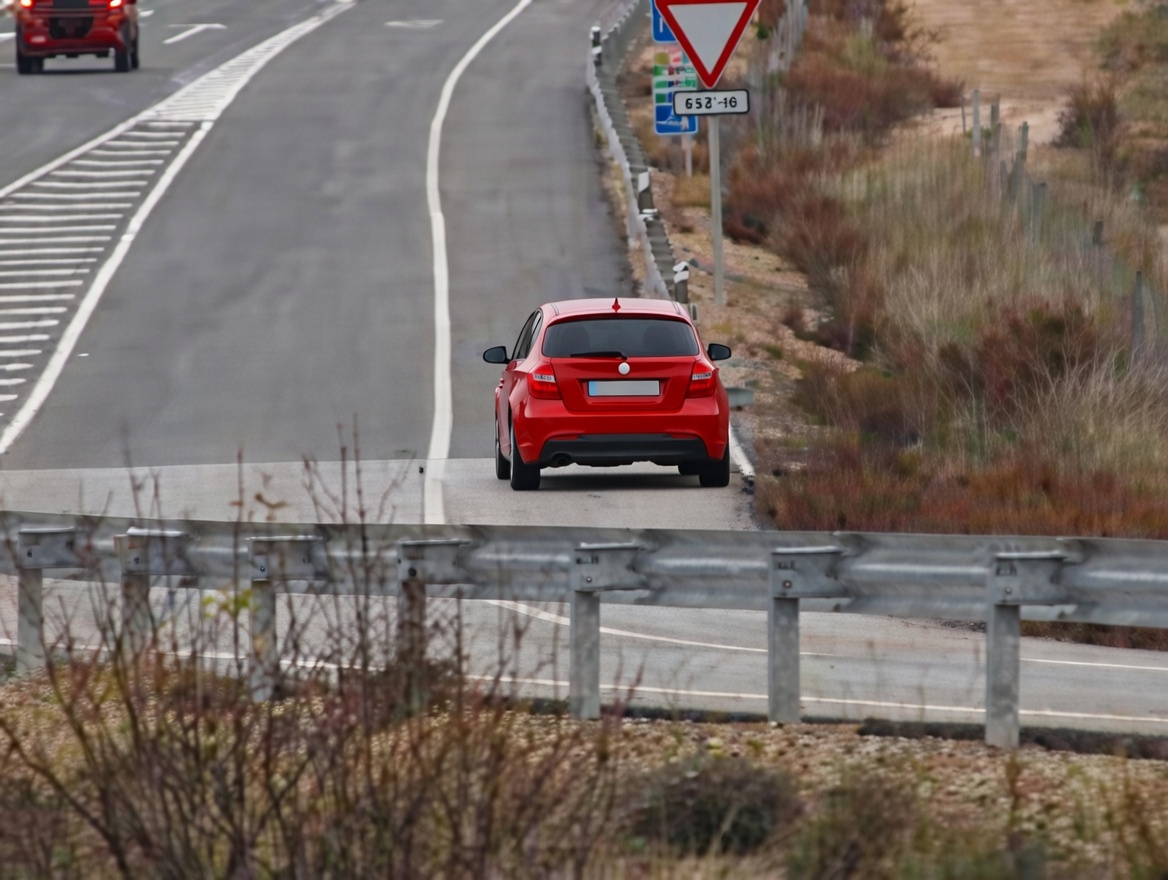
When driving automobiles up to 3,500 of MAM at abnormally low speed due to emergency, you will join it ONLY if you are hindering traffic in your lane
Also when driving on roads with additional lane and when giving way to administrative vehicles: Ambulance…
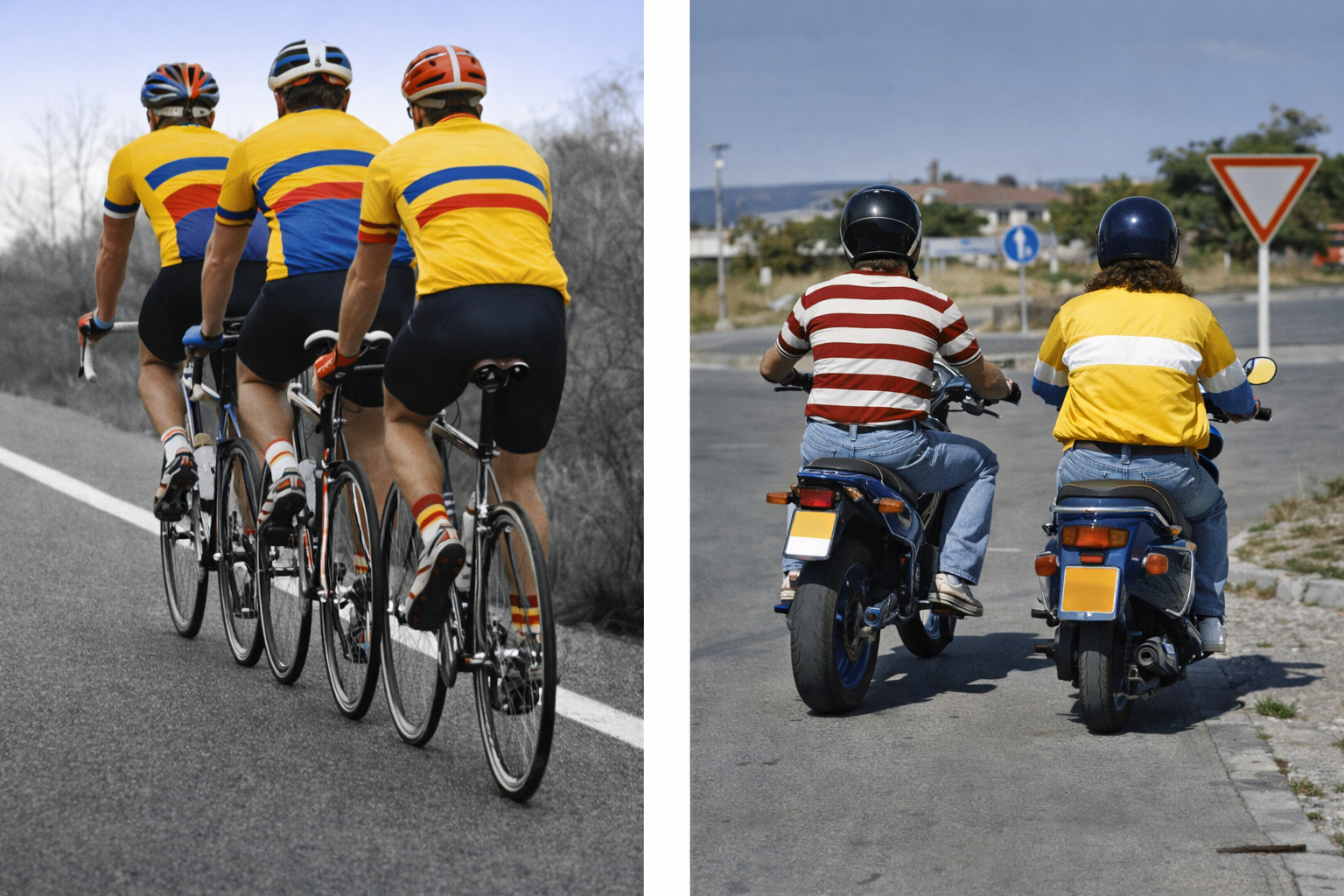
Only bicycles can go side by side. Exceptionally, mopeds can do so if they don’t leave hard shoulder
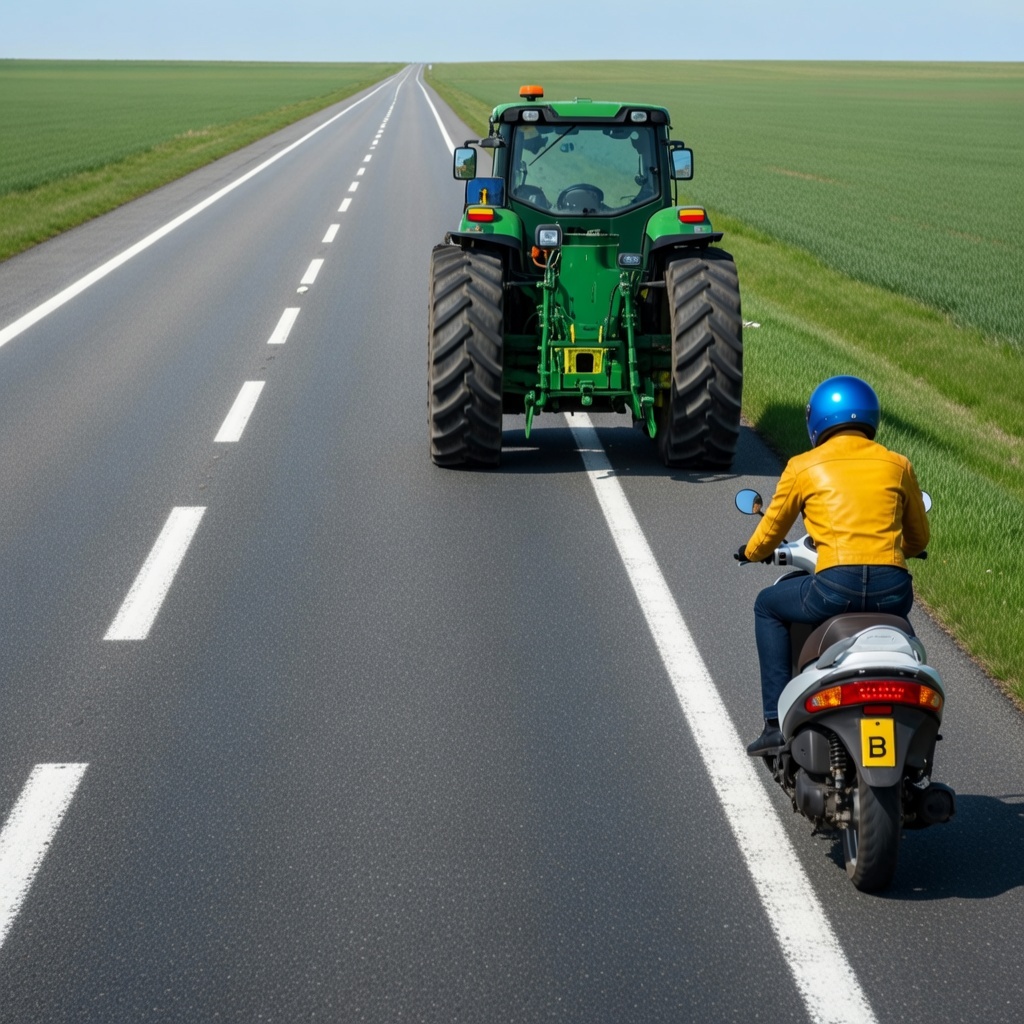
To overtake, these vehicles (except bicycles) can’t spend more than 15 seconds or 200 metres driving side by side
FRONT DISTANCE
Drivers must always keep a distance which allows them not to collide with vehicles ahead if they brake suddenly
There is an exception: Bicycles don’t need to keep this distance among them
This distance must be kept in the following cases:
Anywhere overtaking is forbidden, you must always keep safety front distance
Anywhere inside town, you must always keep safety front distance with or without intention to overtake
Out of town with 2 or more lanes for your direction, you must always keep safety front distance with or without intention to overtake
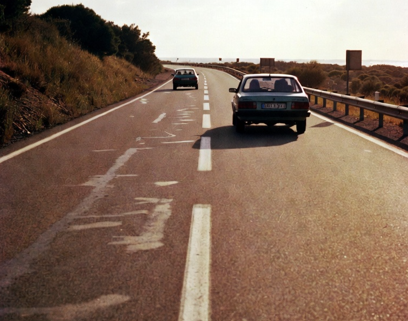
On two-way roads with 2 lanes out of town with intention to overtake, you must always keep safety front distance
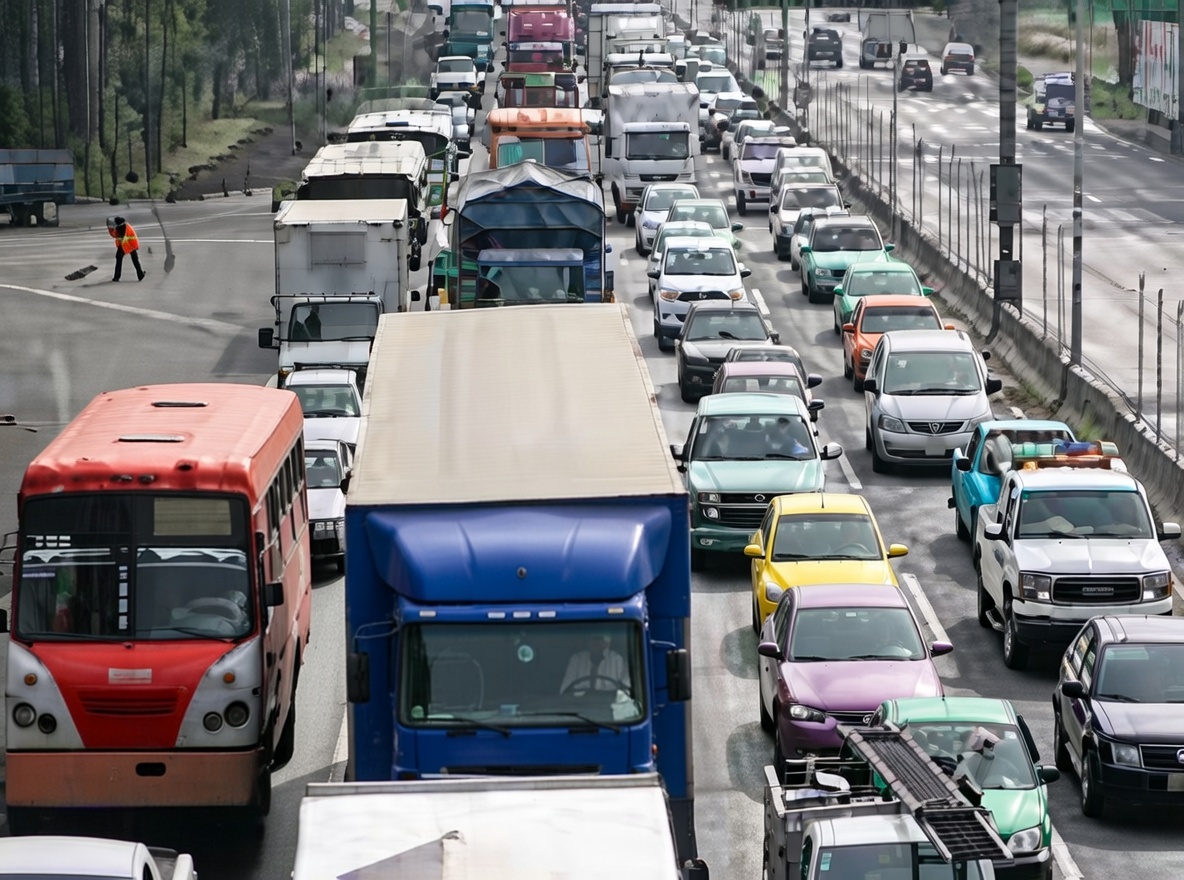
In heavy traffic, you must always keep safety front distance
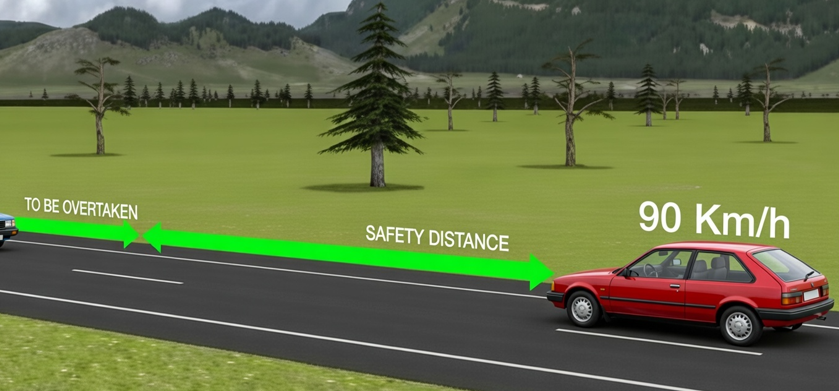
On two-way roads with 2 lanes out of town without intention to overtake, you must always keep safety front distance and the one that allows vehicles behind to overtake you
ON TWO-WAY INTERURBAN ROADS
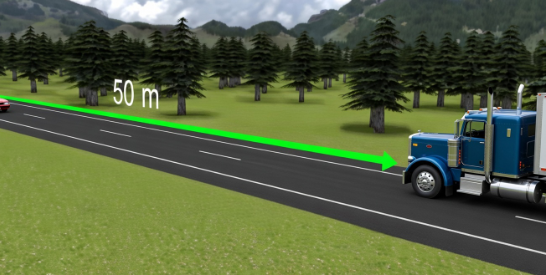
50 m (without intention to overtake) for the following vehicles:
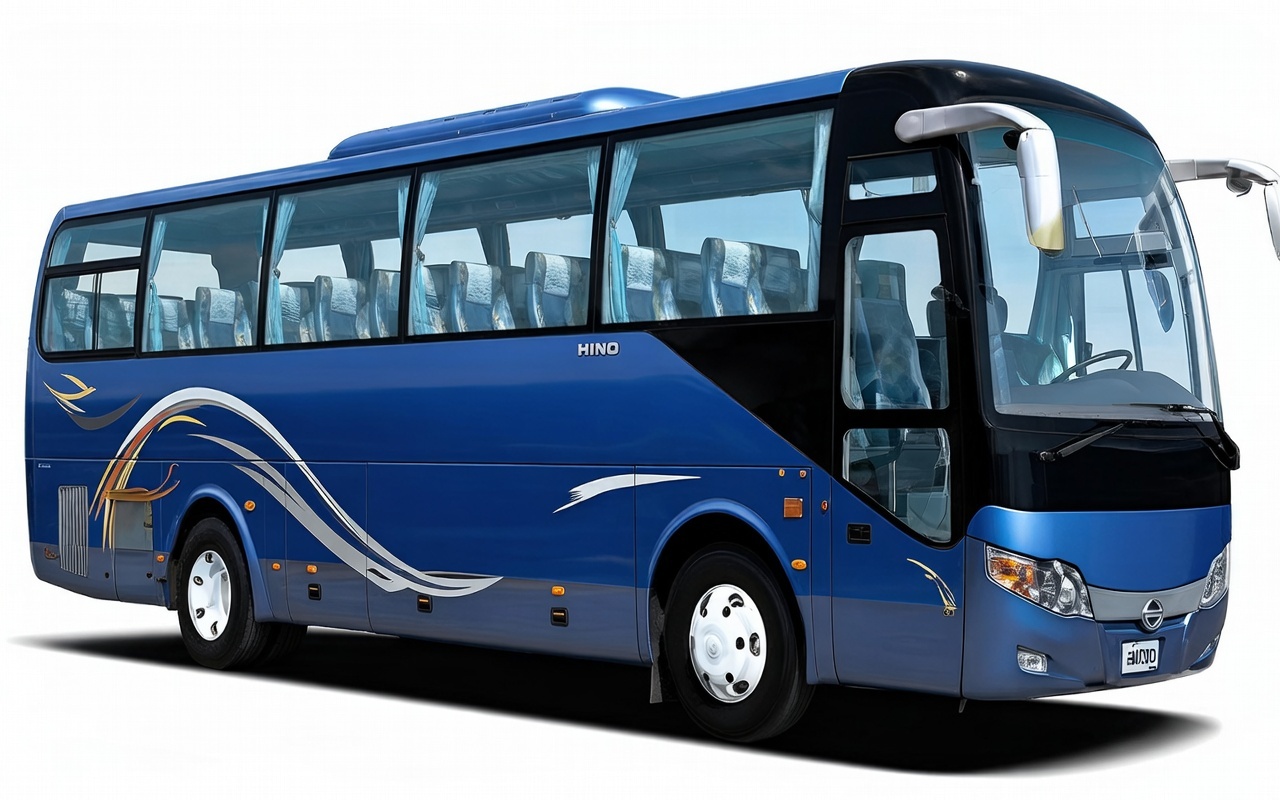 All vehicles more than 3500 Kg of MAM
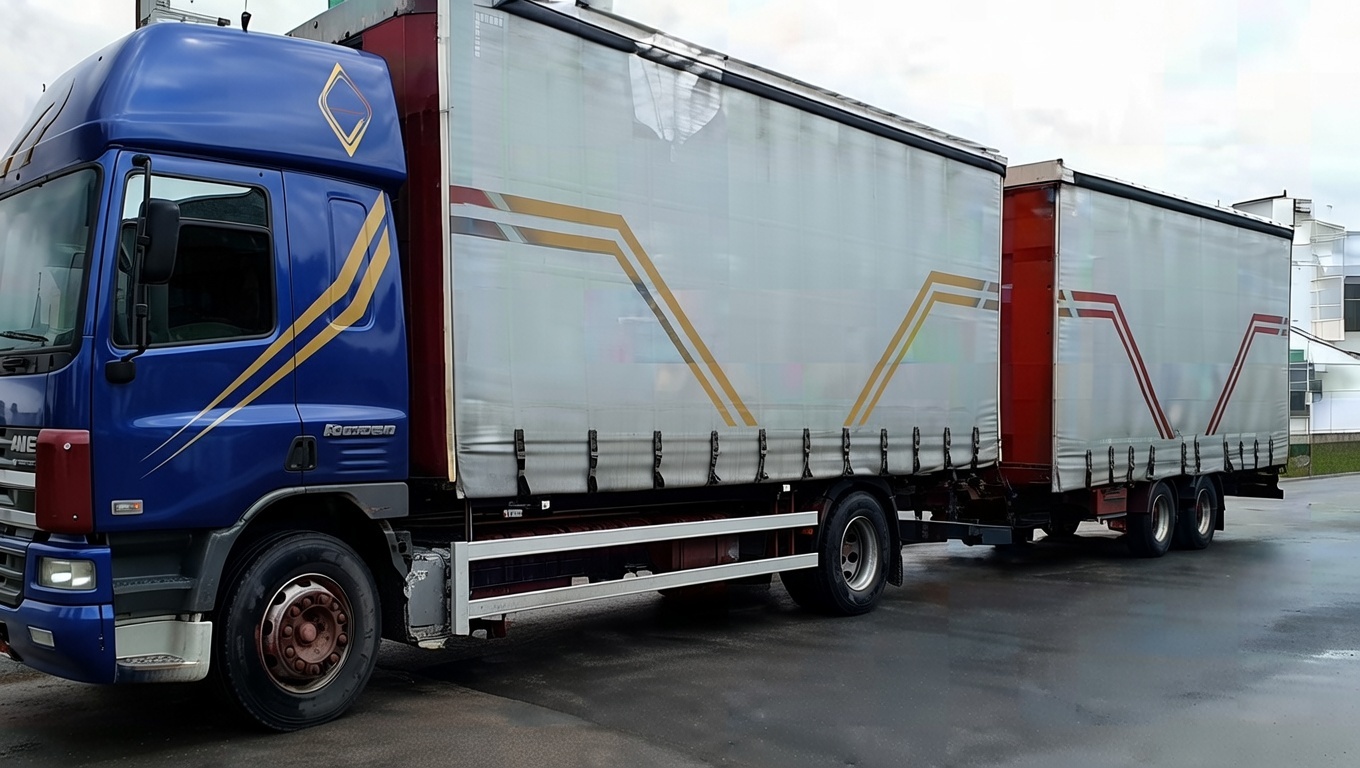 All vehicles more than 10 meters long
IN TUNNELS & UNDERPASSES
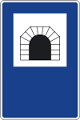
With intention to overtake, you must always keep safety front distance
No intention to overtake:
Minimum: 100 meters or 4 seconds
Vehicles above 3500 of MAM: 150 meters or 6 seconds
DRIVING IN HEAVY TRAFFIC
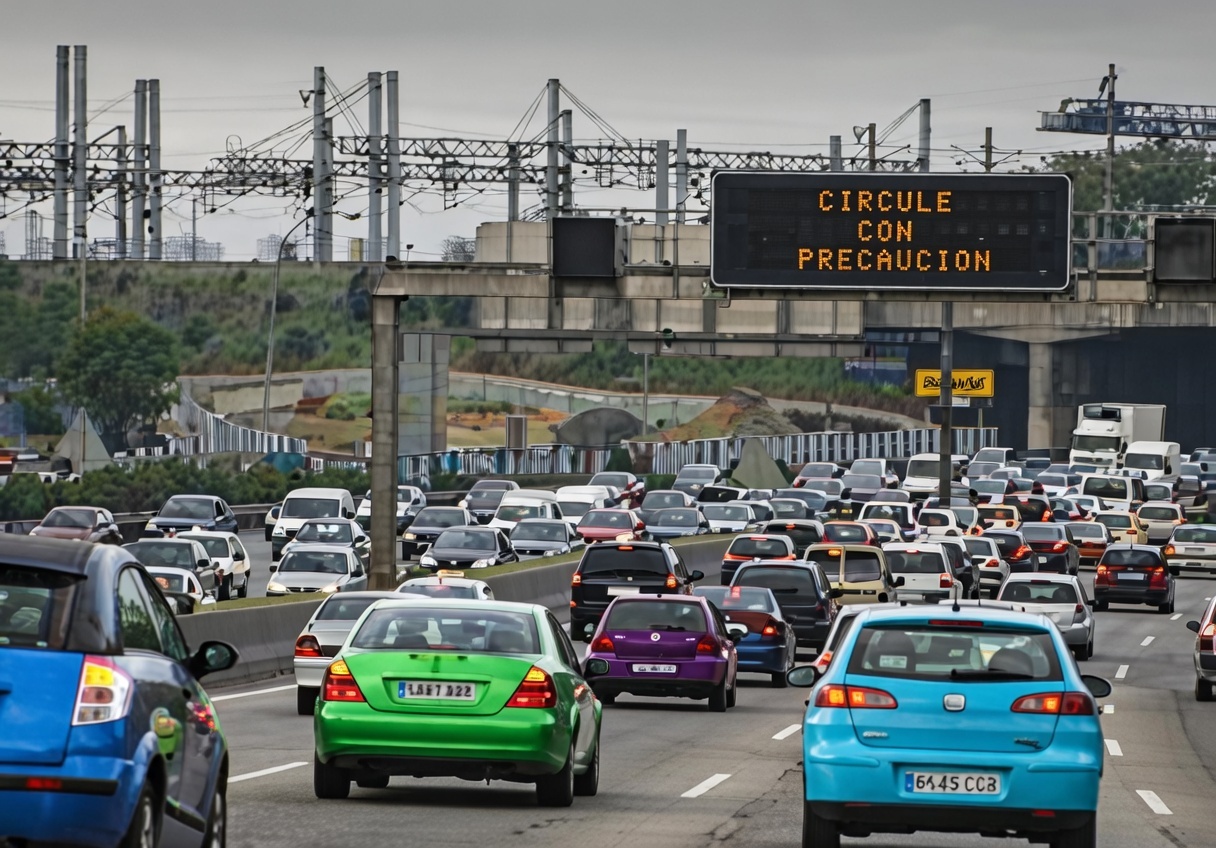
Going faster than other lanes is not overtaking. You must drive keeping safety distance at the speed of your lane
FORBIDDEN: Change lanes except to leave the road or make turns. You can’t use hard shoulder to take a close exit
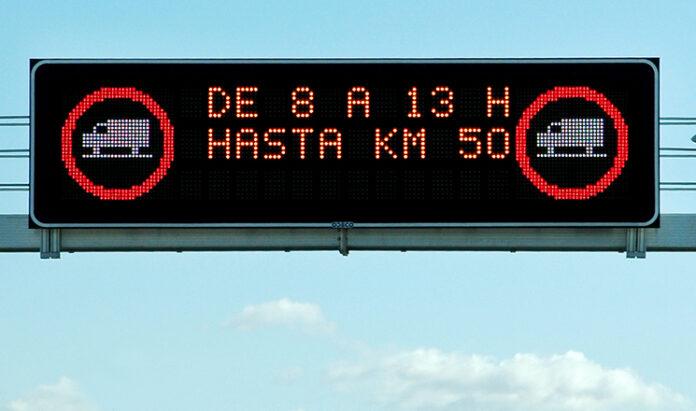
Authorities may ban some vehicles in certain special traffic days such as summer holidays, easter, christmas…
CONDITIONS OF TRAFFIC: COLORS CODE
Traffic is fluid
Weather conditions are good

Traffic is slower than usual. Advisable not to go above 100 on motorways and 80 on conventional roads
Weather conditions don’t affect traffic, but you must maximize caution. Heavy trucks can’t overtake

Slow traffic with some stops
There is snow on the road. Forbidden for trucks and vehicles with semi-trailers. Maximum speed is 60 Km/h for sedans, buses…

Very slow traffic. Long and frequent stops
Road totally covered by snow. Banned for large vehicles. Snow chains or winter tyres are compulsory. Maximum speed -> 30 Km/h

Road closed
Traffic is banned for all vehicles
PEDESTRIANS
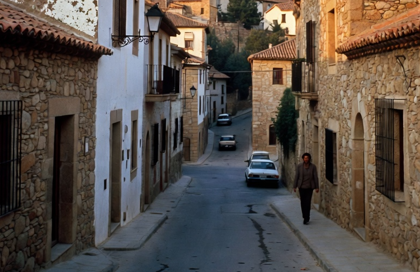 Definition: Person who is walking or on wheelchair. Also, when they push strollers or any other vehicle with wheels and no engine, including pushing bicycles and mopeds, but not motorcycles
As a general rule, they must walk on pedestrian areas but, the following pedestrians can always go on the road taking precautions:
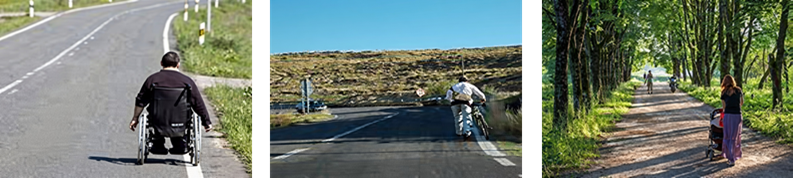
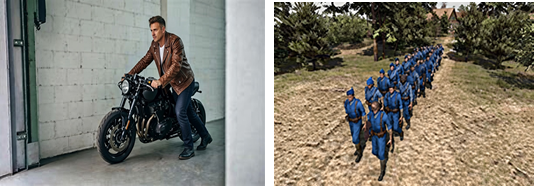
People on wheelchairs, groups of people led by a guide, people carrying bulky stuff or pushing vehicles without engine
Without pedestrian area, people should walk in the hard shoulder or carriageway
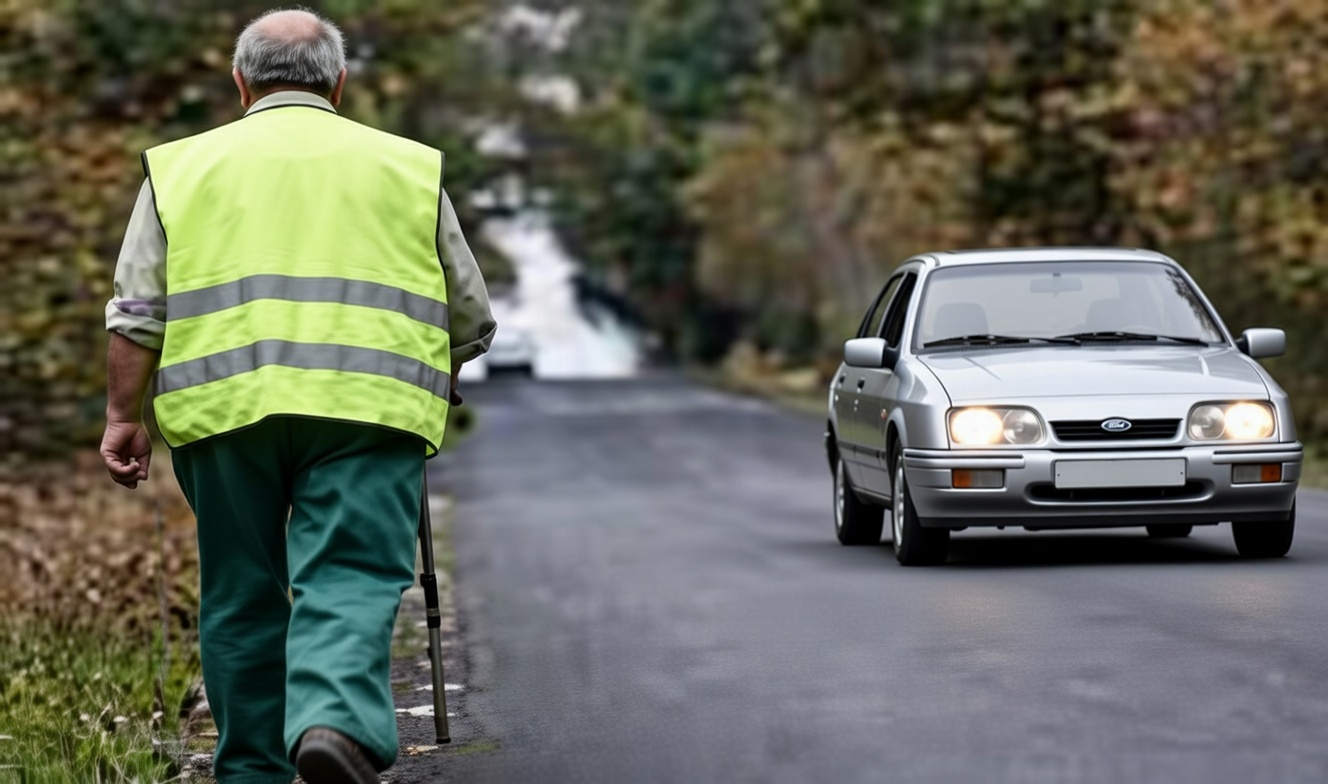
Outside town or through roads: On their left. Except when the right side is safer
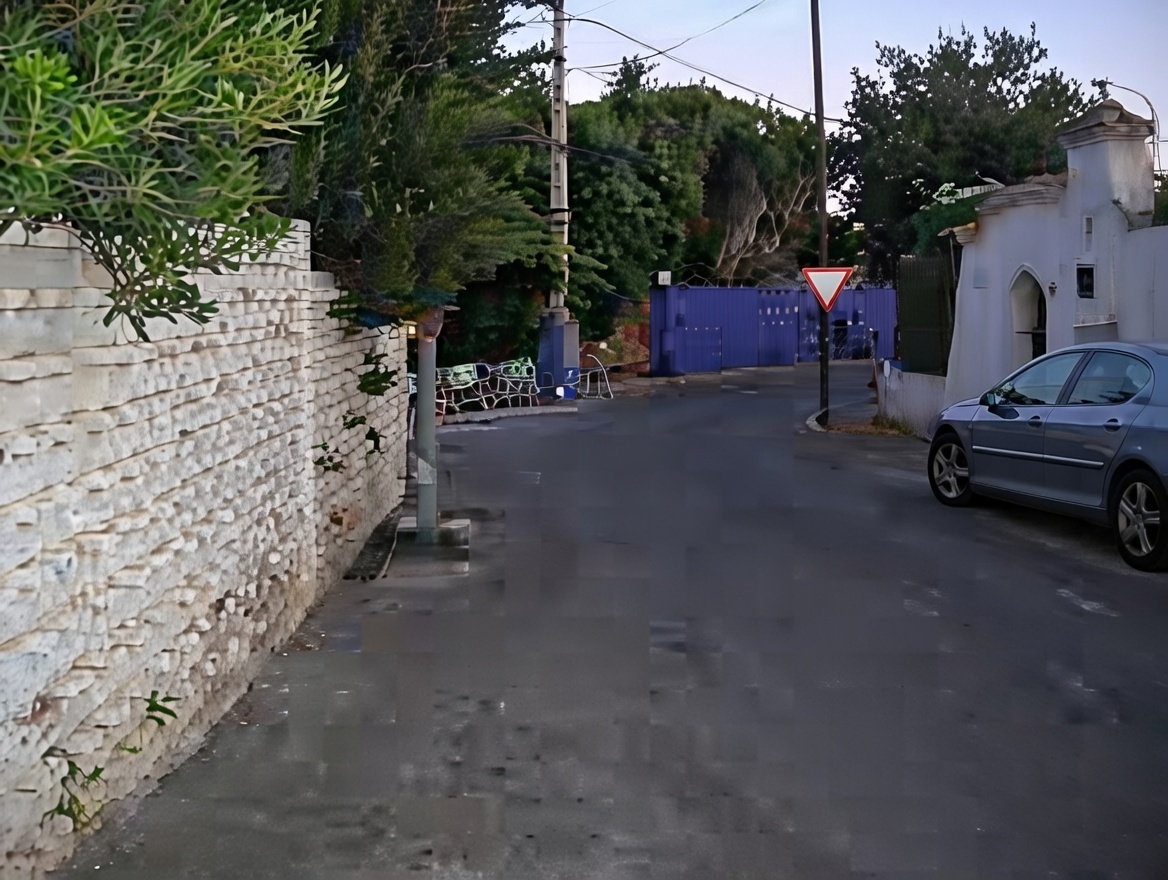 On urban roads: Either right or left
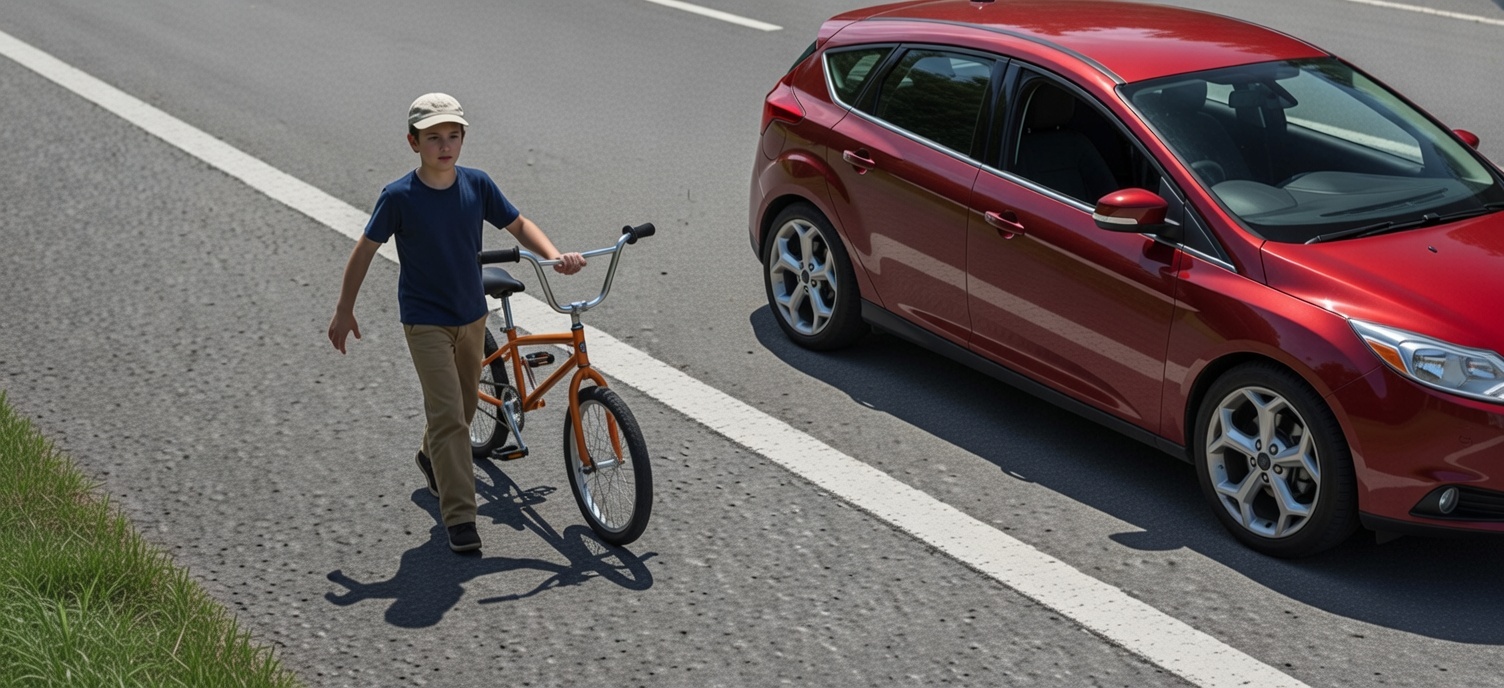 Pedestrians must always walk on the right when it comes to wheelchairs, groups of people or pushing vehicles.They must obey traffic lights and officers at junctions
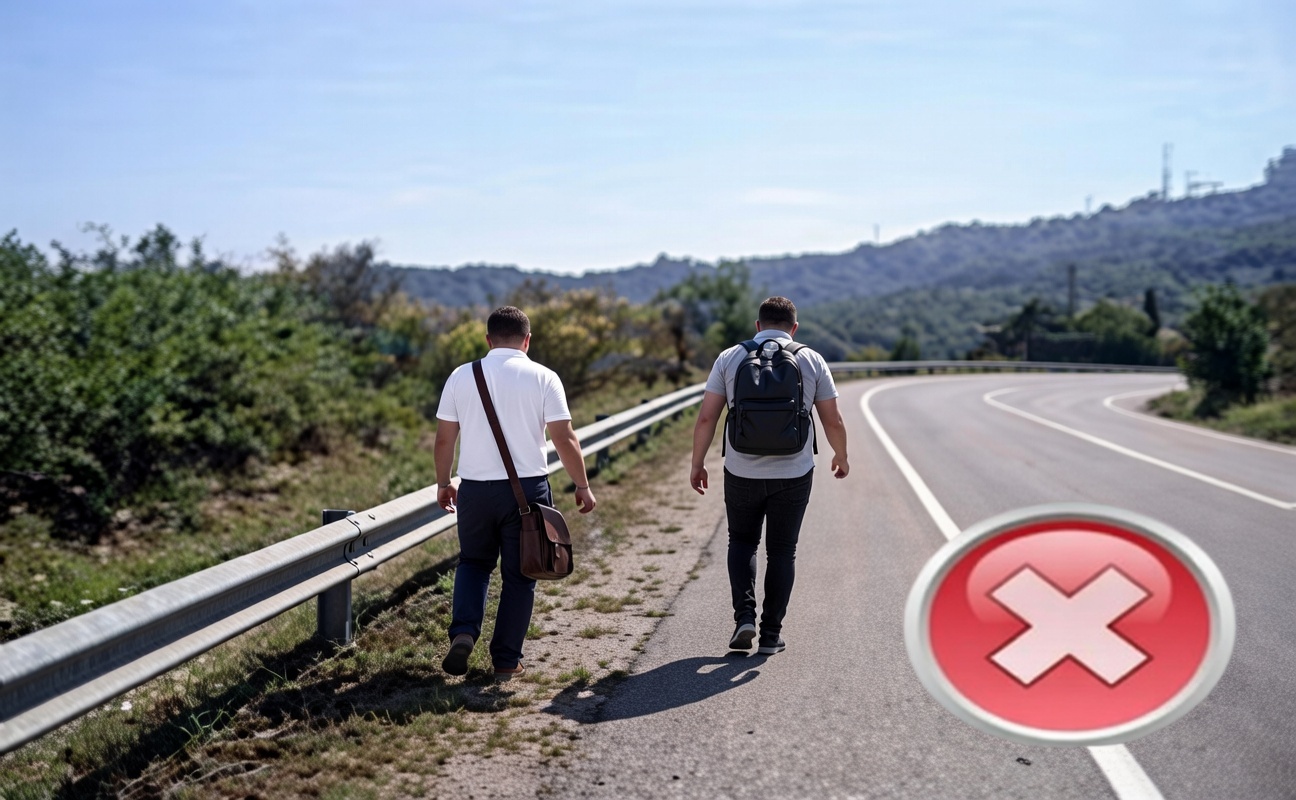 Forbidden to walk side by side, except groups with a guide: Scholar queues, soldiers…
They must use zebra crossings this way: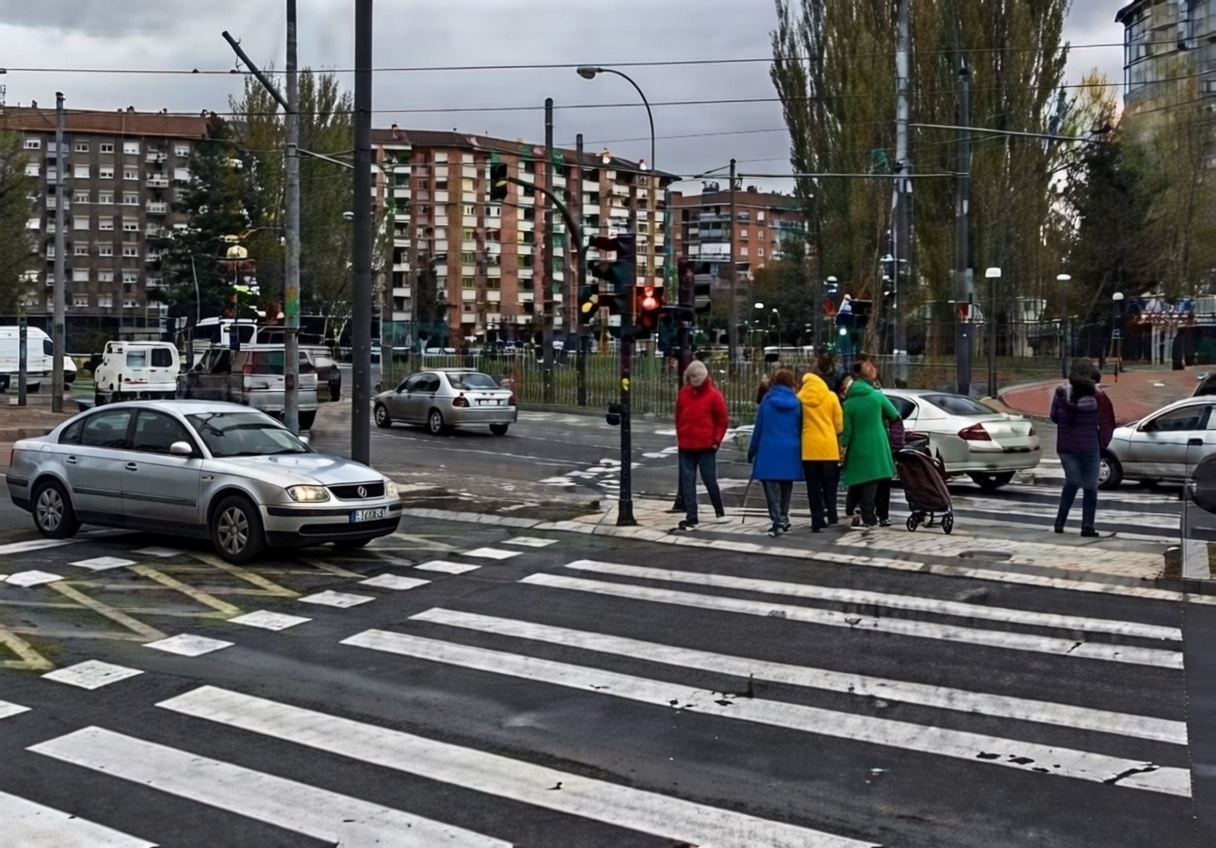 With traffic lights, they have to obey their lights
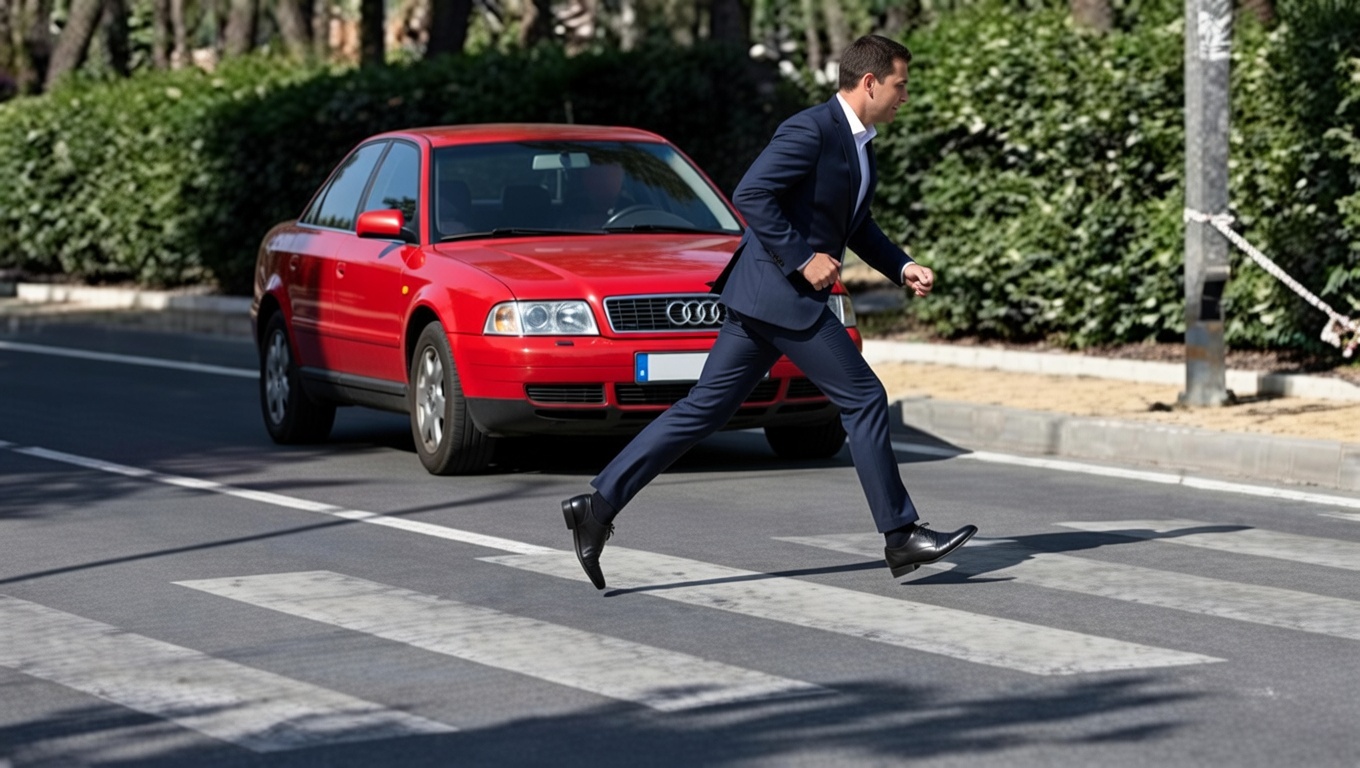 Without traffic lights, they have right of way. But, before crossing, they have to make sure it is going to be safe
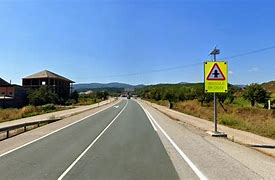 Without pedestrian crossing, they can cross in safe places (visibility) and perpendicular to the road
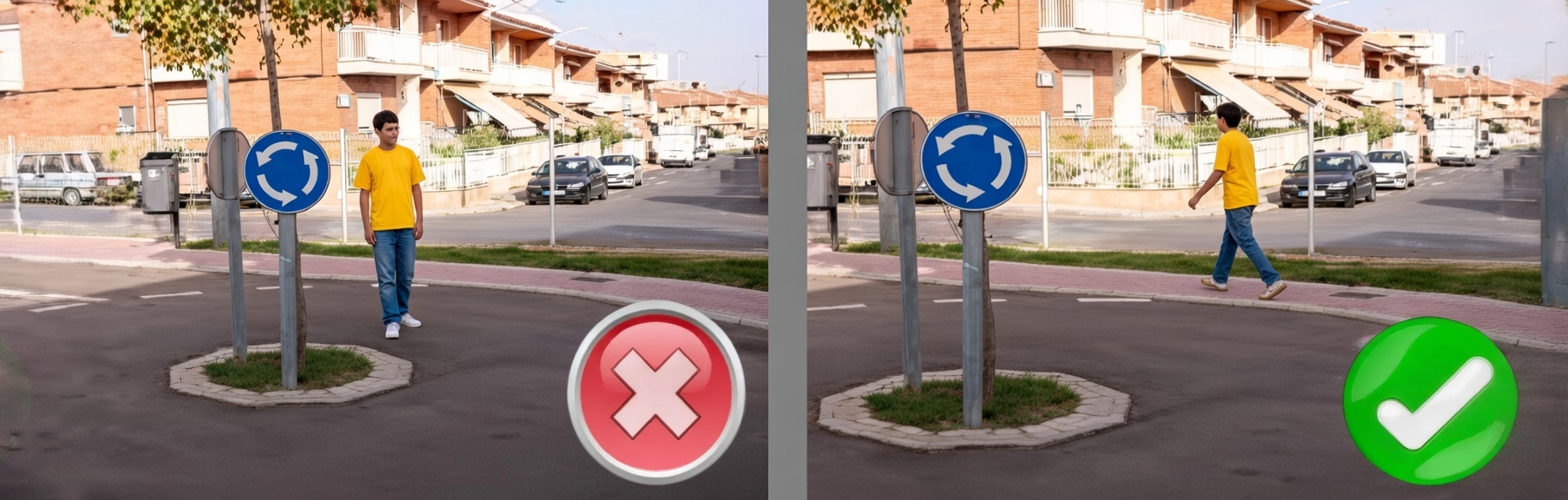 They must walk around roundabouts
Pedestrians can never walk on roads out of town, except on conventional roads
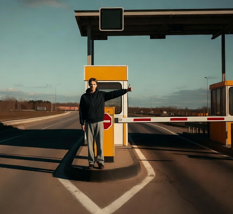
You can’t pick up hitchhikers at toll gates on motorways or dual carriageways
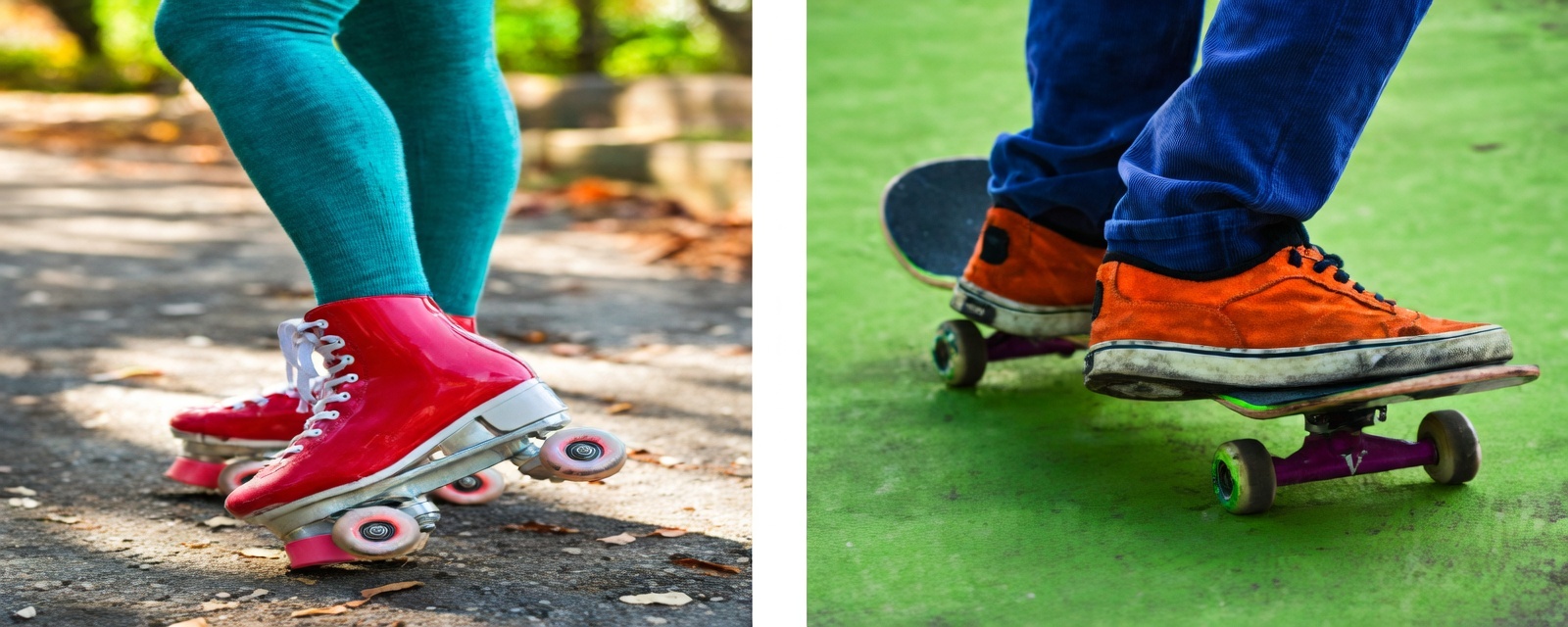
Forbidden to go skating on the road nor sidewalk (except at a person walking pace)
People on skateboards can never be dragged by other vehicles
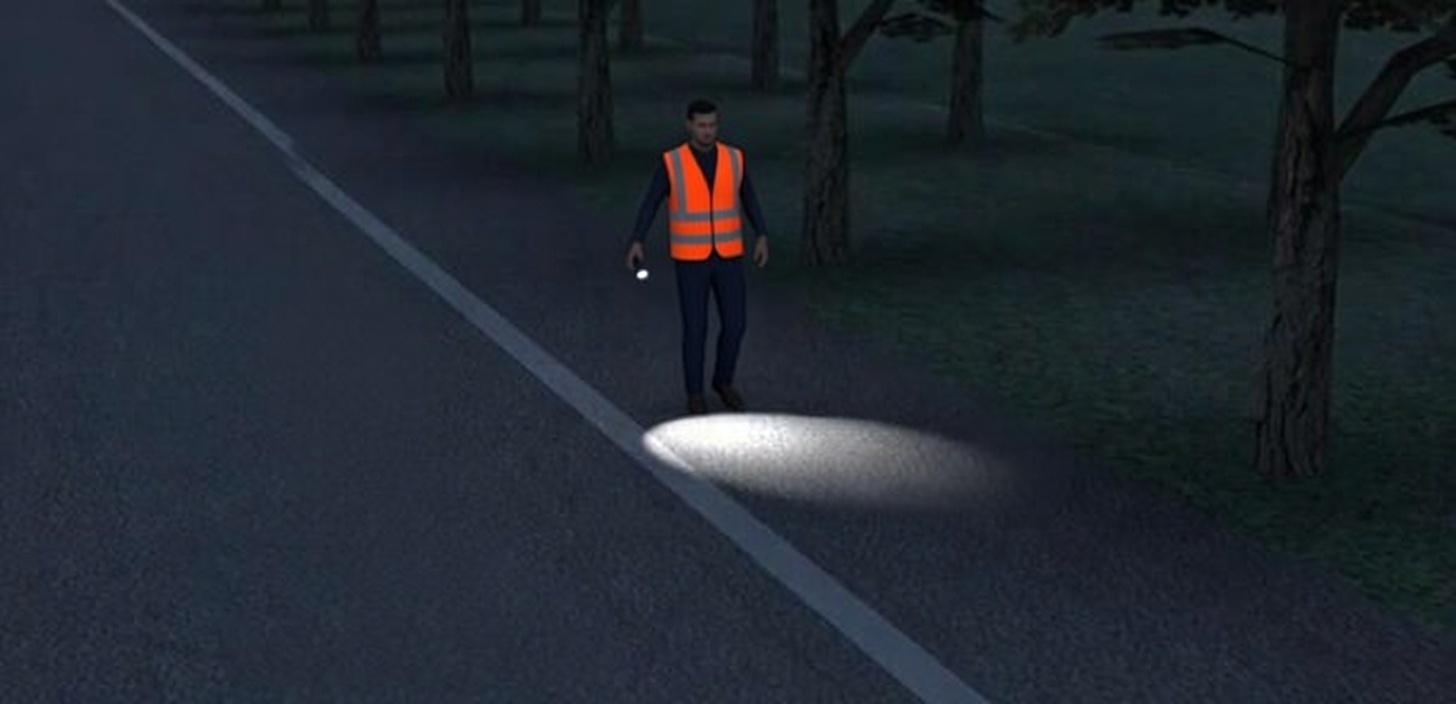
They must wear reflective clothes or a flashlight visible from 150m out of town with lack of visibility (night, fog…)
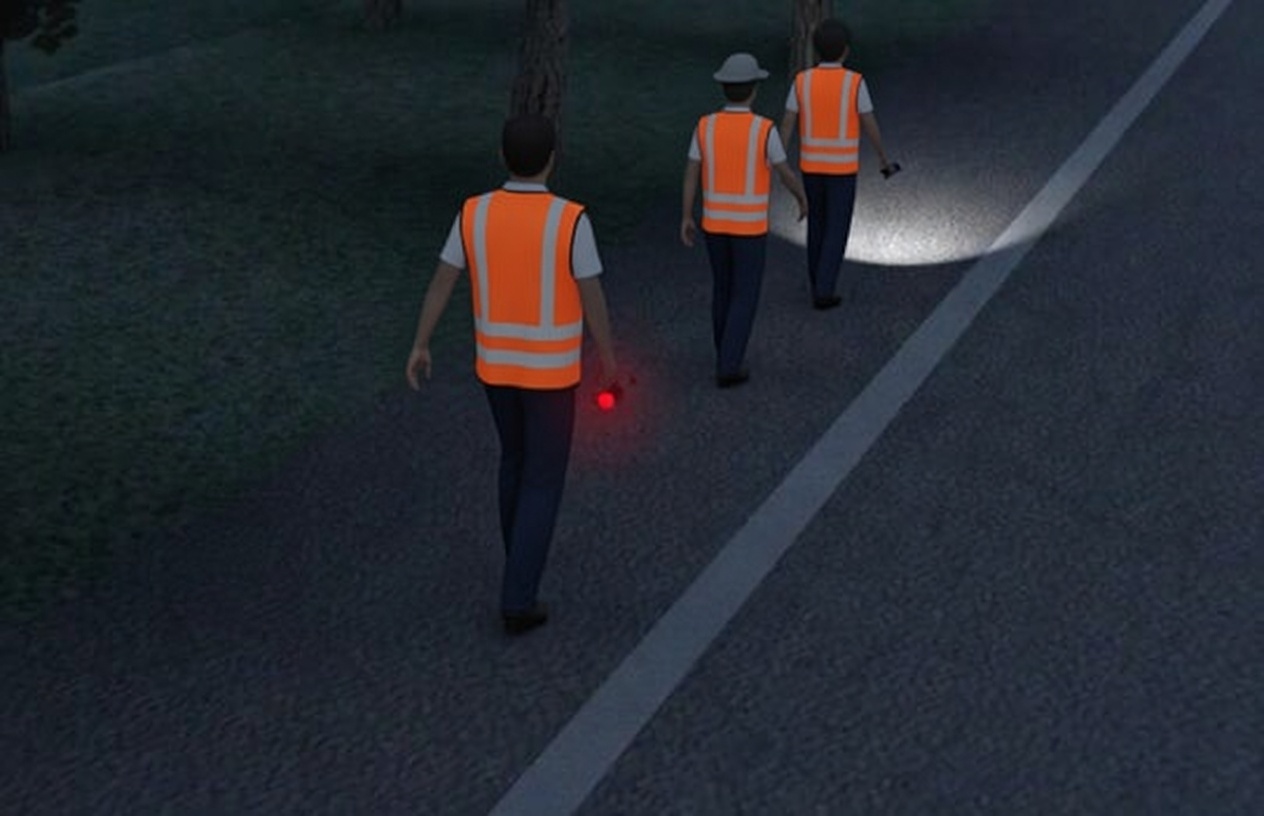
When in group, they must display white or yellow light at the front and red light at the back
ANIMALS
 They must lead animals using livestock paths
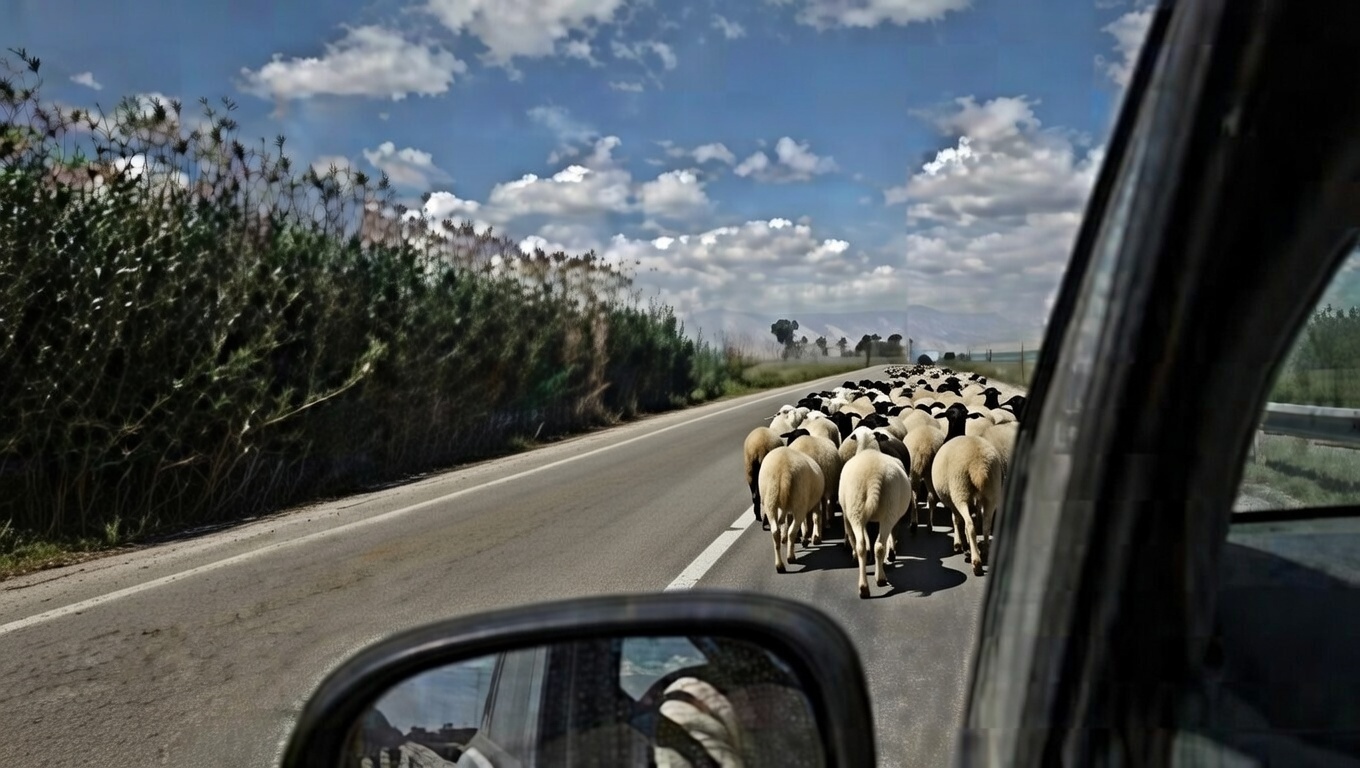 Without those paths, they will use the right half of the road. They should go on roads with little traffic driven by someone above 18 years old
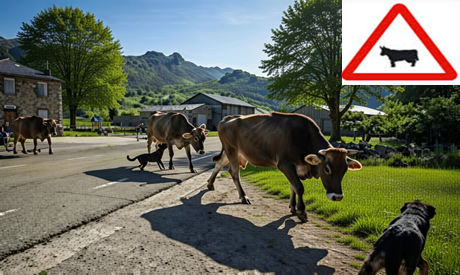 They can only cross at properly signposted pet crossings
PROHIBITIONS FOR ANIMALS
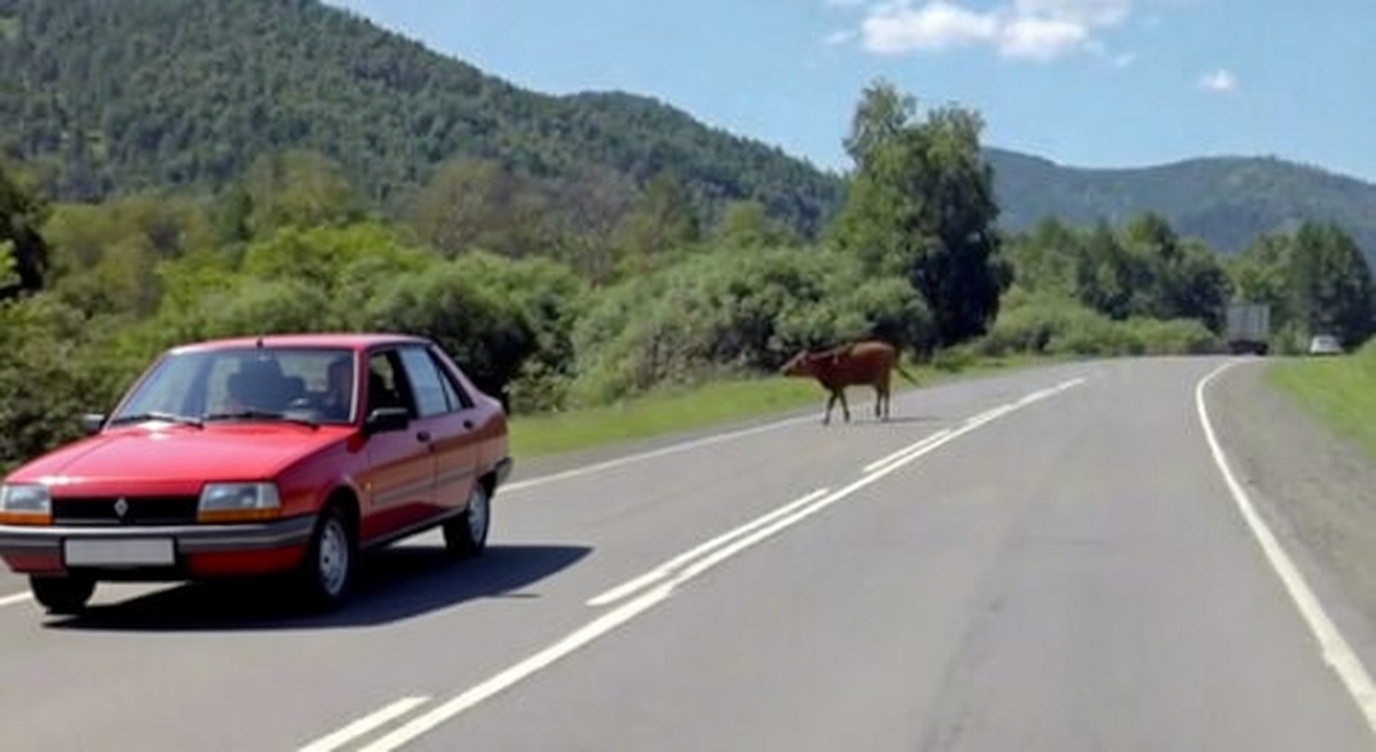
They can only go in town (out of pedestrian areas) and conventional roads. Owners can never leave animals without custody on public roads nor racing with animals
When poor visibility: White or yellow light in front and red light at the rear of the group, including animal-drawn vehicles